
Japanese Culture Guide
What Is Kawaii Culture?
Kawaii is not just “cute.” In Japan, it can mean softness, safety, friendliness, emotional comfort, and a way to make the world feel a little less harsh.
When people outside Japan hear the word kawaii, they often imagine pink colors, anime girls, mascots, or childish fashion. That is not wrong, but it is only the surface.
In daily Japanese life, kawaii is also a social feeling. A round mascot on a warning sign, a shy idol smile, a soft VTuber voice, a tiny character on a train poster, or a plush toy in a crane game all do something similar: they make something feel less intimidating.
That is why kawaii culture appears almost everywhere in Japan. It is not limited to children. It belongs to anime, idols, VTubers, fashion, product design, advertising, local tourism, public manners, and even official campaigns.
If you are completely new to Japanese pop culture, you may also want to read What Is Otaku Culture?, which explains the broader fan communities where kawaii aesthetics became so influential.
Kawaii Makes Things Feel Approachable
One of the most important roles of kawaii in Japan is approachability. A serious message can feel softer when it is delivered by a cute character. A shop can feel easier to enter. A performer can feel closer to fans. A fictional character can feel emotionally safe.
This is different from simply trying to look beautiful. Beauty can create distance. Kawaii often reduces distance.
Softness
Rounded shapes, gentle colors, small voices, shy gestures, and warm expressions often make kawaii feel emotionally soft.
Safety
Kawaii can make products, places, characters, and messages feel less aggressive or less formal.
Closeness
Idols, VTubers, mascots, and anime characters often use kawaii to create a feeling of personal attachment.
Protection
Kawaii often makes people want to support, protect, cheer for, or collect something.
Why Kawaii Is So Common In Japanese Media
Japanese media often values emotional attachment. A character does not need to be powerful, sexy, or cool to become memorable. Sometimes a small weakness, a shy expression, a funny voice, or a slightly clumsy personality makes the character more loved.
This is especially visible in anime, idol culture, and VTuber culture. Fans are not only watching a polished performance. They are often responding to small moments: embarrassment, hesitation, effort, awkwardness, laughter, or the feeling that someone is trying their best.
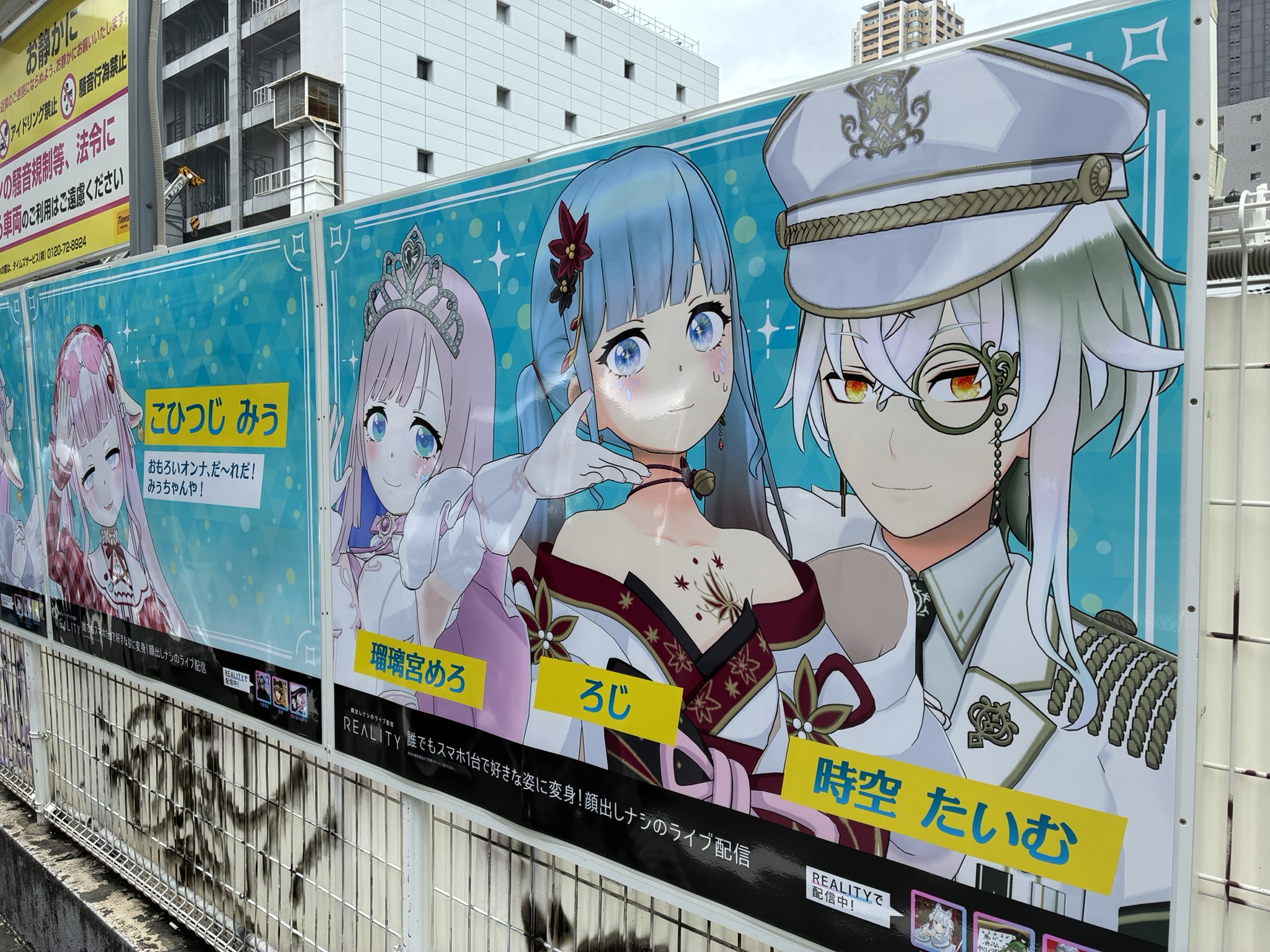
Many modern examples can be found in streaming culture. For a deeper look, see What Is VTuber? and Why Japanese VTubers Are Different.
Official Video Example
This official anime ending is a useful example of how kawaii can be bright, energetic, awkward, emotional, and slightly embarrassing at the same time.
Kawaii Is Not Always Childish
A common misunderstanding is that kawaii means childish. In Japan, the word can be used for children, animals, fashion, idols, anime characters, packaging, handwriting, food, interior design, elderly people, awkward behavior, or even a tiny mistake someone makes.
In that sense, kawaii often means “I feel warmth toward this.” It can be a reaction to innocence, but also to effort, vulnerability, harmlessness, or charm.
This idea also helps explain why idol culture became so important in Japan. Many fans are responding not only to beauty but also to warmth, effort, personality, and emotional connection. You can read more in Why Japanese Fans Love Idol Culture.
Kawaii In Otaku Districts
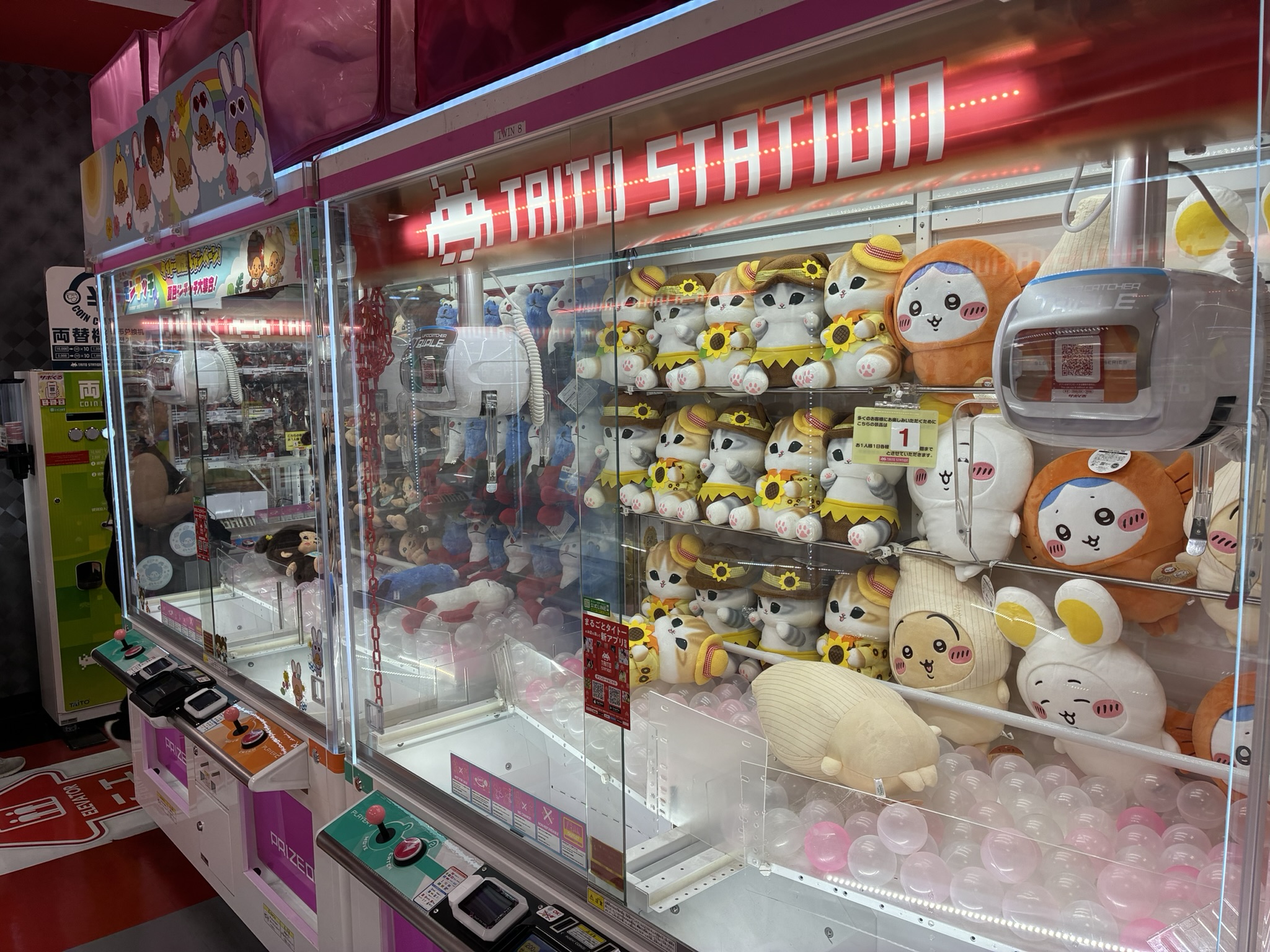
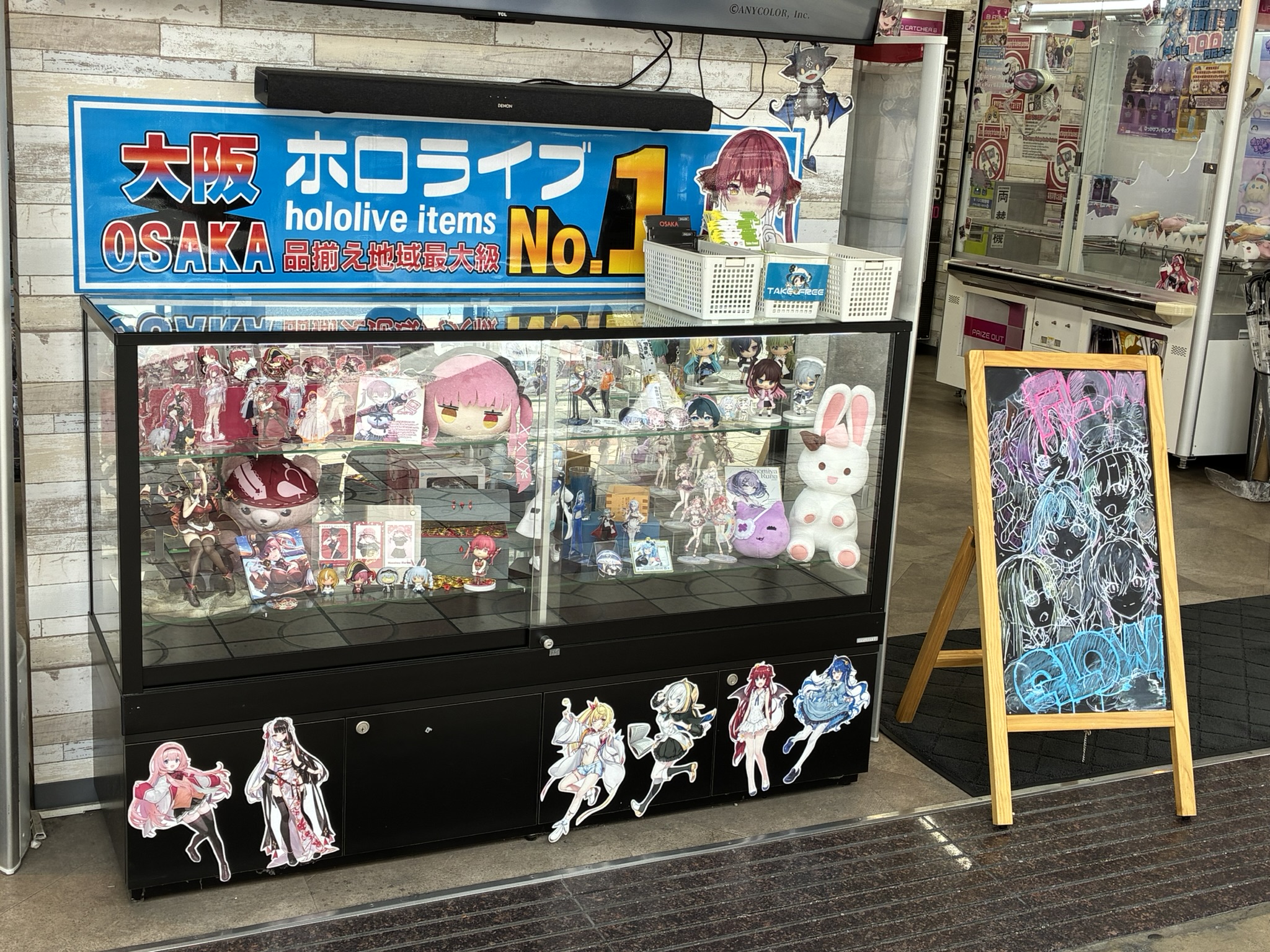
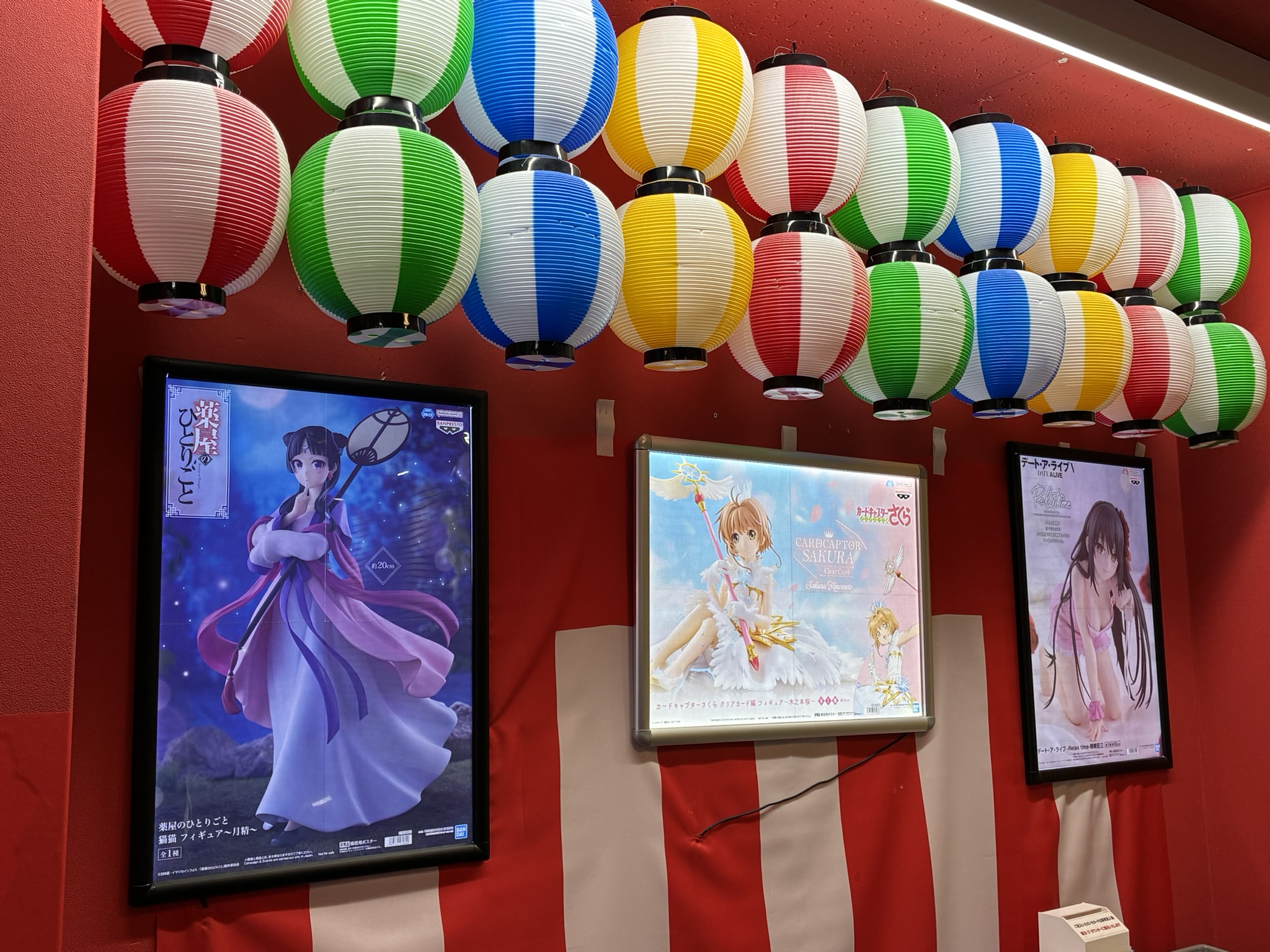
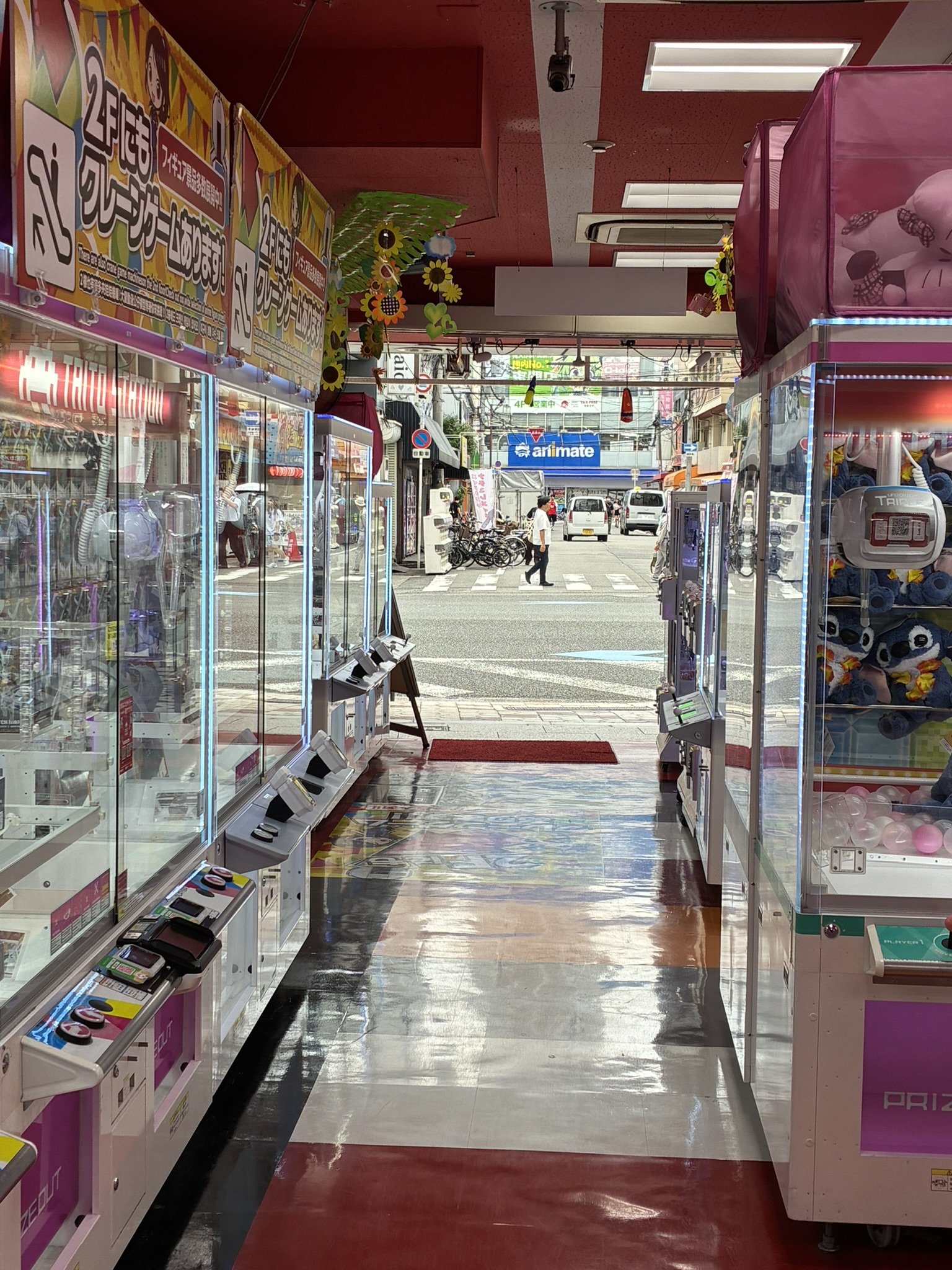
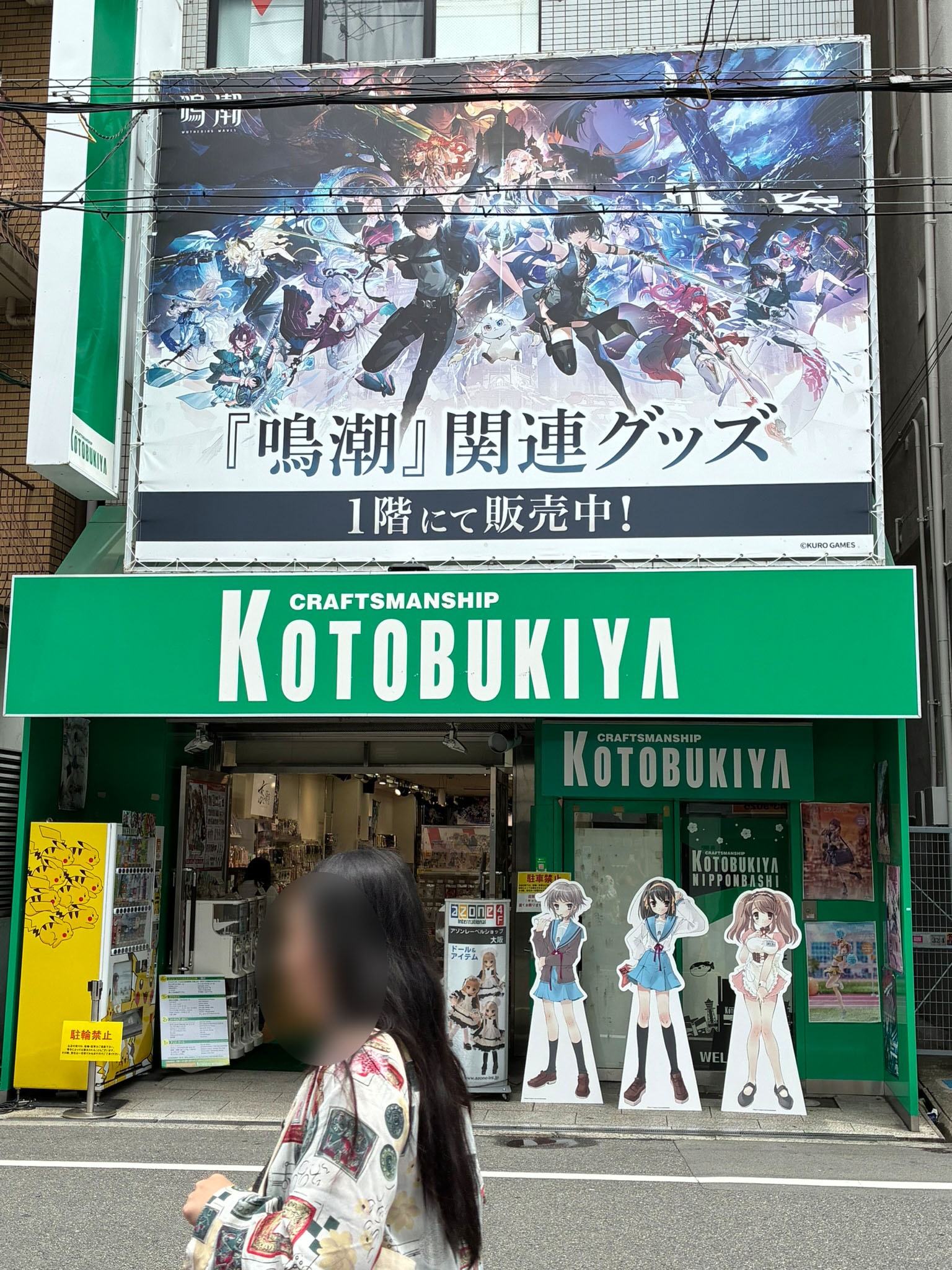
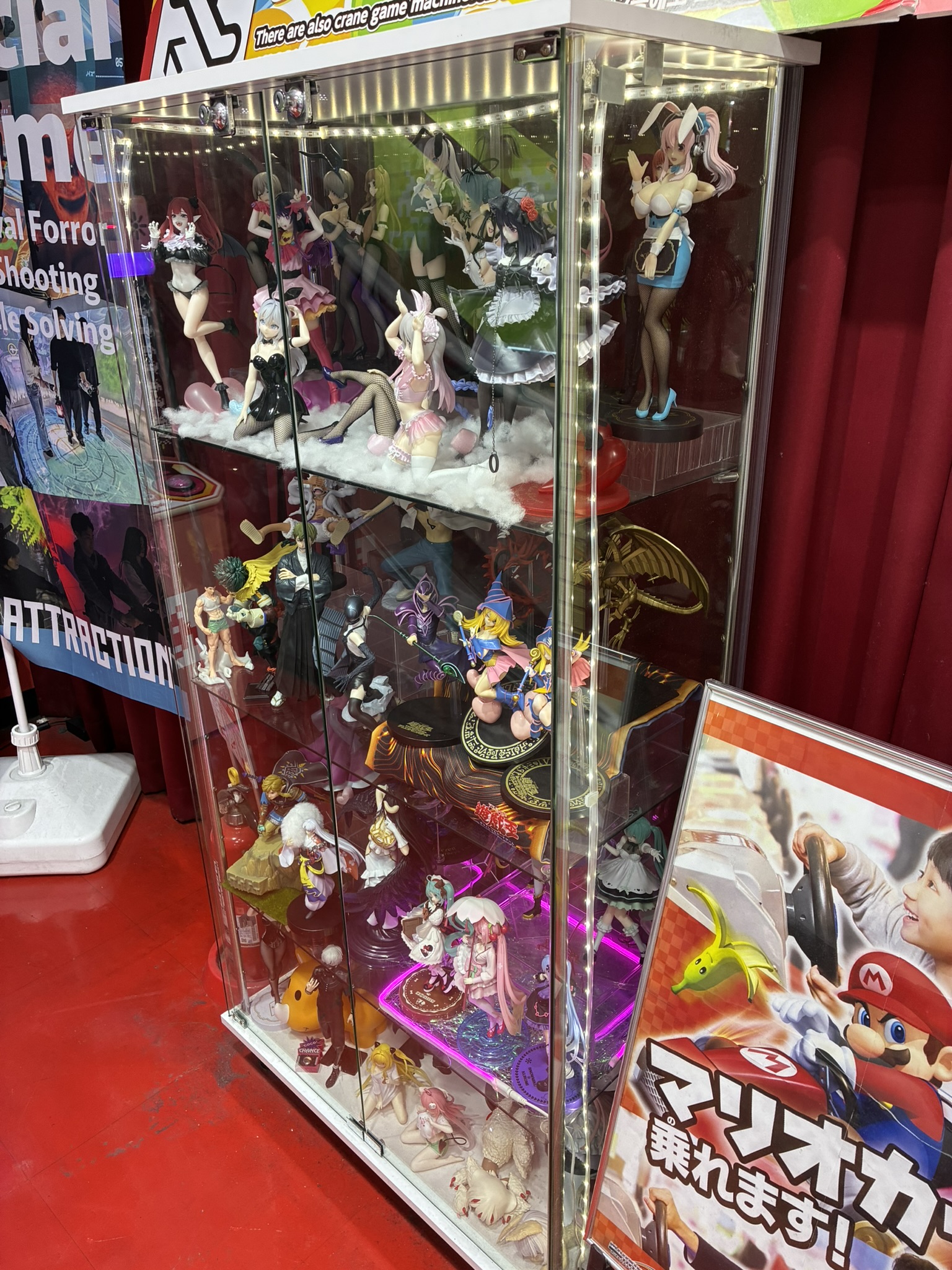
In places like Akihabara and Osaka Nipponbashi, kawaii is not hidden inside media. It spills out into the street: shop signs, character banners, crane games, idol posters, maid cafe flyers, VTuber goods, capsule toys, and collaboration displays.
For visitors, this can feel overwhelming at first. But if you walk slowly, you begin to notice that kawaii is working as a kind of emotional sign language. It tells you where something is playful, where something is fan-oriented, where something is gentle, and where the shop wants you to feel welcome rather than nervous.
A Japanese Perspective
As a Japanese person, I do not think kawaii culture is only about liking cute things. It is also connected to how Japanese people often soften directness.
Instead of making everything strong, serious, sharp, or confrontational, Japanese culture often creates a softer surface. Sometimes that softness is beautiful. Sometimes it can hide pressure or commercial calculation. But at its best, kawaii gives people a way to feel relaxed, attached, and emotionally safe.
The Commercial Side Of Kawaii
Of course, kawaii is also business. A cute character can sell snacks, games, train campaigns, local tourism, cosmetics, anime goods, and idol merchandise. Japan is very good at turning emotional attachment into products.
But that does not make kawaii fake. Many fans know perfectly well that merchandise is commercial. They still enjoy it because the object carries a feeling: memory, comfort, support, identity, or a small connection to a character or performer they care about.
Final Thoughts
Kawaii culture is not simply Japan’s love of cute things. It is a language of softness, approachability, attachment, and emotional comfort.
It can make a character feel lovable, a shop feel welcoming, a message feel gentle, and a product feel personal. That is why kawaii appears so naturally across anime, idols, VTubers, mascots, fashion, design, and everyday Japanese communication.
To understand kawaii is to understand one of the quiet emotional engines of Japanese pop culture.