
Cosplay Culture Guide
What Is Cosplay?
A guide to costume play, fan expression, photography, character performance, and why Japanese cosplay became known around the world.
Cosplay is often described as “costume play,” but that simple translation does not fully explain what it means in Japanese pop culture.
Cosplay is not only about wearing a costume. It is a mix of fan expression, character performance, photography, craftsmanship, community, and sometimes personal transformation.
What Does Cosplay Mean?
The word “cosplay” comes from “costume” and “play.” In a basic sense, it means dressing as a character from anime, manga, games, movies, comics, or other fictional worlds.
However, in Japan, cosplay developed into something more specific than simple costume wearing. Many cosplayers try to recreate not only the character’s outfit, but also their pose, atmosphere, facial expression, and emotional image.
Is Cosplay Only Japanese?
No. People dressed as fictional characters long before Japanese anime became popular overseas. Fans of science fiction, fantasy, superhero movies, and comic books had already enjoyed costume culture in many countries.
But Japanese cosplay developed in a slightly different direction. Instead of only “wearing a costume,” Japanese cosplay often places strong emphasis on character accuracy, photography, pose, cuteness, beauty, and the feeling of entering a fictional world.
How Japanese Cosplay Became Different
Japanese cosplay is strongly connected to anime, manga, games, idol culture, and photography culture. Many characters are designed to be visually memorable: colorful hair, iconic costumes, expressive poses, and strong emotional appeal.
Because of this, cosplayers are often not just “dressed up.” They are trying to bring a two-dimensional character into the real world.
This is one reason cosplay in Japan can feel different from Halloween costumes or casual party costumes. It is closer to a fan-made performance of a character.
Why Do People Want To Cosplay?
People cosplay for many different reasons. Some love a character deeply. Some enjoy making costumes. Some like photography. Some want to meet other fans. Some enjoy becoming someone different for a day.
Cosplay can also satisfy a desire to be seen. A costume may take weeks or months to prepare, and an event gives the cosplayer a place to show that effort to others.
For many people, cosplay is not simply about attention. It is about being recognized by people who understand the same character, story, and fandom.
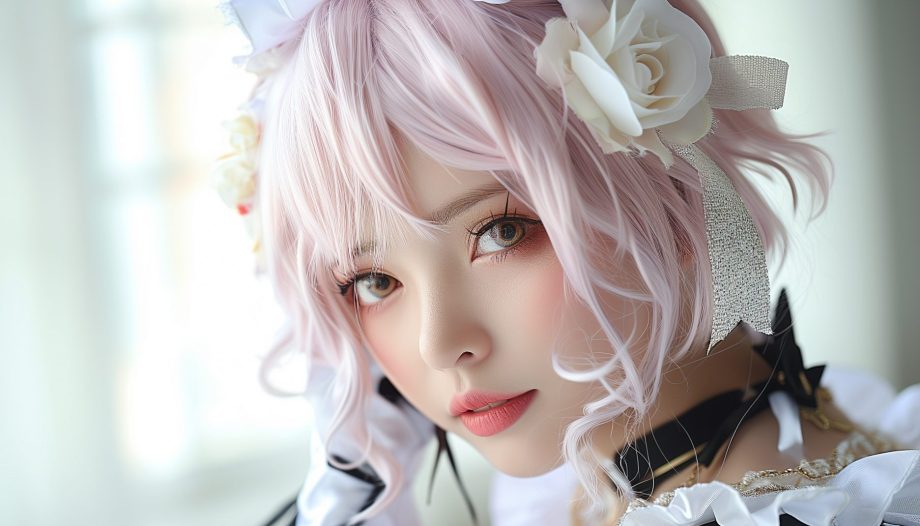
Kawaii, Attraction, and Character Appeal
Japanese cosplay is also connected to the idea of kawaii. In Japanese pop culture, “cute” does not always mean childish or innocent. It can include softness, charm, emotional appeal, beauty, and a subtle kind of attractiveness.
When a cute anime or game character is recreated by a real person, the character’s visual charm becomes part of a live performance. This is one reason cosplay is often closely connected to photography.
This does not mean cosplay is simply sexual. But it does mean cosplay often exists in a space where character love, personal expression, visual attraction, and photography overlap.
Why Cosplay Spread Around The World
As Japanese anime, manga, and games became popular overseas, cosplay also spread globally. Fans did not only want to watch Japanese characters. They wanted to become them, photograph them, and share that experience with other fans.
Today, cosplay is a global culture. But Japanese cosplay remains especially influential because many of the characters, visual styles, and event formats came from Japanese media culture.
Where Can You Experience This Culture Online?
If you would like to explore Japanese otaku, anime, doujin, gravure, and idol culture more directly, the following online stores are useful starting points. Some links may be affiliate links.