
Culture Guide
Why Japanese Creators Still Care About Craftsmanship
A guide to craft, small details, hand-drawn feeling, doujin spirit, fan labor, and why Japanese media often feels personally made.
Japanese media is sometimes described as “handmade,” but that word alone can sound too simple. The deeper issue is craftsmanship.
Many Japanese creators still treat media as craft: something shaped through patience, repetition, small details, and care for parts that many viewers may not consciously notice.
This appears in anime, manga, doujin works, game art, Vocaloid videos, idol goods, fan events, small magazines, and independent online culture.
Craft Is Not the Same as Perfection
Craftsmanship does not mean everything looks expensive or flawless. In fact, some Japanese media feels powerful because it is not perfectly polished.
A rough line, a limited animation cut, a handmade booklet, an awkward live performance, or a small creator’s music video can feel more human than something technically perfect.
The feeling comes from effort and intention. Viewers can sense that someone cared about the work.
Drawn Lines
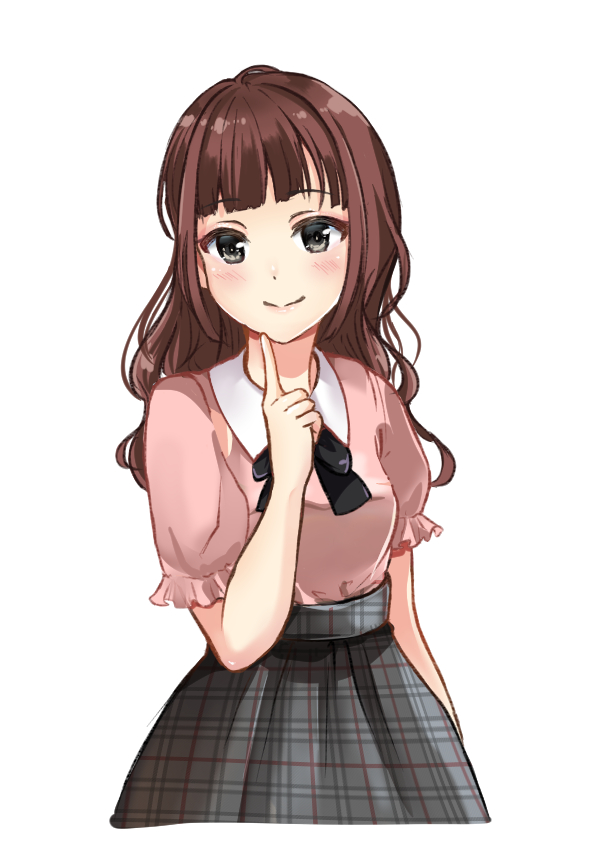
Anime and manga often preserve the feeling of human lines, even when production is digital.
Small Details
Background objects, gestures, clothing, handwriting, food, and ordinary spaces often carry emotional meaning.
Doujin Spirit
Doujin culture keeps creation close to individuals, circles, events, and niche communities.
Fan Labor
Fan art, handmade goods, zines, displays, cosplay, and event preparation make media culture feel lived-in.
Personal Perspective: This Is Close to a Shokunin Mindset
My personal impression is that Japanese media often carries something close to a shokunin, or craftsperson, mindset. The creator may not always talk loudly about originality or global success.
Instead, the work is built through repeated improvement, attention to detail, and respect for a specific form. This can be seen in major studios, but also in small creators who make doujin books, fan goods, songs, or videos for a narrow audience.
This is one reason Japanese media can become globally influential without always feeling like it was designed mainly for the global market. It often reaches the world because it did not erase its local texture.
Examples Across Japanese Media
Kyoto Animation is often admired for careful character acting, small body movements, and everyday gestures. Studio Ghibli is known for attention to food, wind, rooms, tools, and background life.
Manga artists can express emotion through panel rhythm, line weight, blank space, and a single facial expression. Visual novels often use repeated backgrounds, music, and small changes in dialogue to create atmosphere.
Vocaloid producers, utaite singers, doujin artists, and indie animators often create from bedrooms, small studios, or online communities rather than from large entertainment systems. The limited scale can become part of the charm.
Why Imperfection Can Feel More Human
Perfect media can be beautiful, but it can also feel distant. Japanese media often allows small imperfections to remain visible.
An idol who is still improving, a hand-drawn cut that feels slightly uneven, a fan-made booklet, or a simple music video can make the audience feel closer to the creator.
This does not mean quality is low. It means the work does not always hide the process of being made.
Analog Feeling in a Digital World
Japanese media can feel analog even when it is fully digital. Printed manga, collectible goods, handwritten signs, physical events, CD jackets, live houses, photo books, and convention tables still matter.
The digital world spreads the work, but the emotional value often remains tied to touch, objects, place, community, and visible effort.
This is why Japanese media culture can feel both modern and old-fashioned at the same time.
Final Thoughts
Japanese media often feels personally made because many creators still value craft: small details, repeated effort, imperfect humanity, fan labor, and a strong connection to specific communities.
The result is not simply “handmade.” It is a media culture where the viewer can often feel the presence of the person, circle, studio, or fandom behind the work.