
Doujin Culture Guide
Why Japan Created Such a Huge Doujin Scene
A cultural guide to fan works, Comiket, creative freedom, adult expression, copyright tolerance, and why doujin culture became so uniquely large in Japan.
Japan’s doujin culture did not become huge by accident. It grew from a rare combination of manga, anime, fan passion, self-publishing, event culture, and a social tolerance for fan-made works.
For many overseas fans, doujin culture may look like a strange underground market. But in Japan, it has long functioned as a creative ecosystem where fans, amateur artists, future professionals, critics, musicians, game creators, and adult-oriented creators all exist side by side.
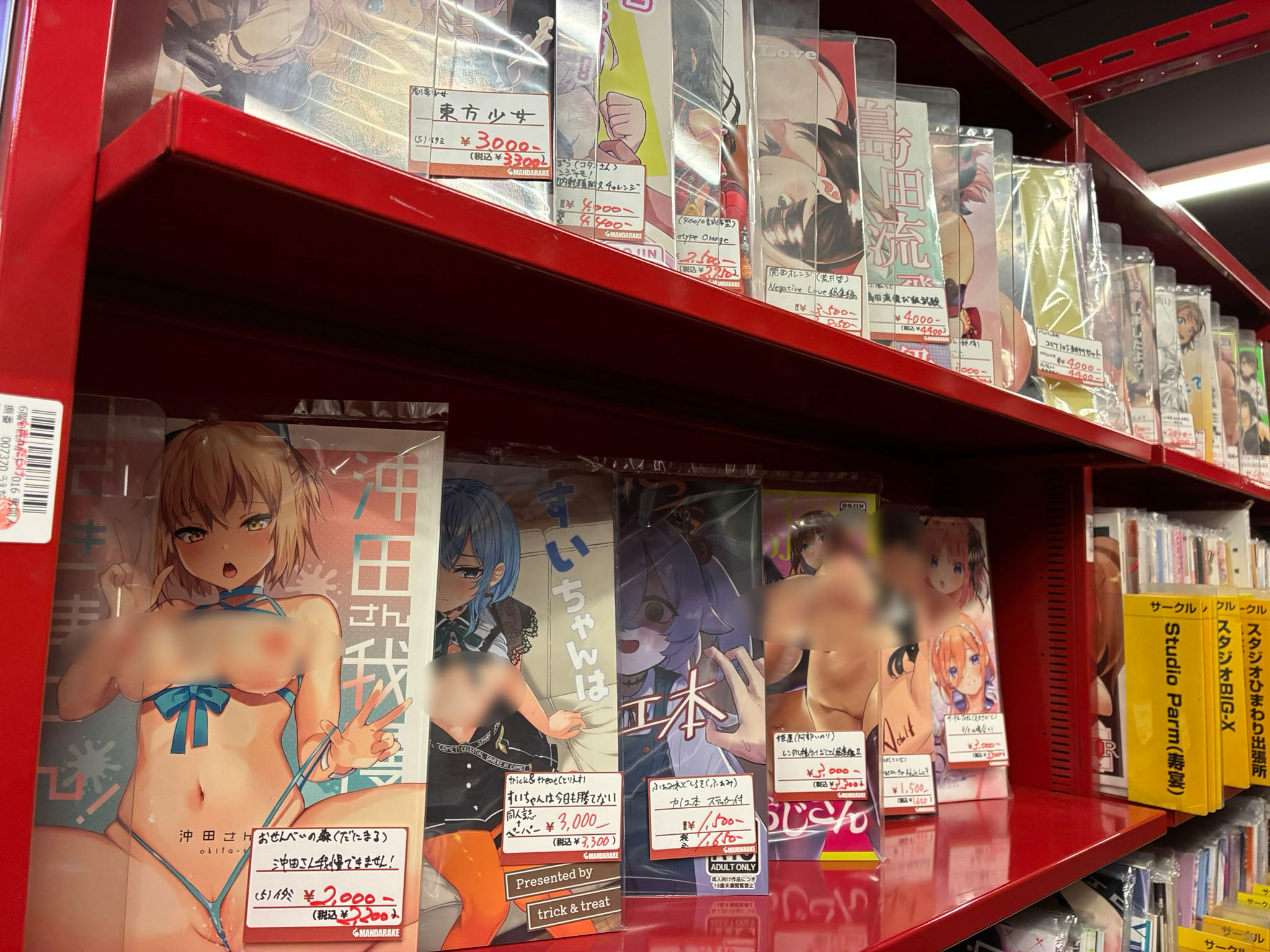
Photo by the author.
Doujin Culture Is Not Just “Fan Art”
The word doujin originally refers to people who share the same interest or creative purpose. In modern otaku culture, it often means self-published works: manga, novels, games, music, illustration books, criticism, and fan-made works based on existing characters.
This is important because doujin culture is not only about copying popular works. It is also about creating spaces where people can publish what commercial companies would usually ignore, reject, or consider too risky.
That freedom is one of the biggest reasons Japan created such a large doujin scene.
1. Japan Has a Huge Manga and Anime Ecosystem
Japan produces an enormous number of manga, anime, games, idols, light novels, and character-based media. These works create countless characters, relationships, settings, and emotional situations that fans want to explore further.
A commercial story always has limits. It cannot show every possible relationship. It cannot explore every hidden emotion. It cannot give every minor character a full story. It cannot satisfy every fan’s personal imagination.
Doujin culture grew in that gap.
Many fans do not simply want more official content. They want to see another side of a character: a different future, a softer moment, a darker situation, a more romantic version, a more comedic version, or a more sensual version that would never appear in the original work.
Personal Perspective
In my view, one reason Japanese doujin culture became so powerful is that Japanese manga and anime characters often invite emotional imagination. They are not only strong heroes or simple symbols of good and evil. They often have loneliness, hesitation, weakness, hidden desire, shyness, or emotional distance.
That makes fans wonder: “What would this character be like in another situation?” Doujin culture gives fans a place to answer that question.
2. Fan Works Were Often Tolerated as a Gray Zone
One of the most distinctive features of Japanese doujin culture is its long relationship with copyright tolerance.
In many countries, fan-made works using existing characters are treated very strictly, especially when money is involved. In Japan, however, many publishers and rights holders historically allowed fan works to exist as a gray zone, as long as they did not seriously damage the original brand or compete directly with official products.
This does not mean fan works are legally simple or completely free from risk. They are still based on a delicate balance. But this tolerance helped create a culture where fans could make, sell, buy, and discuss unofficial works more openly than in many other places.
In some cases, fan works also help keep an original work alive. They extend the life of a series, deepen fan loyalty, and create emotional communities around characters.
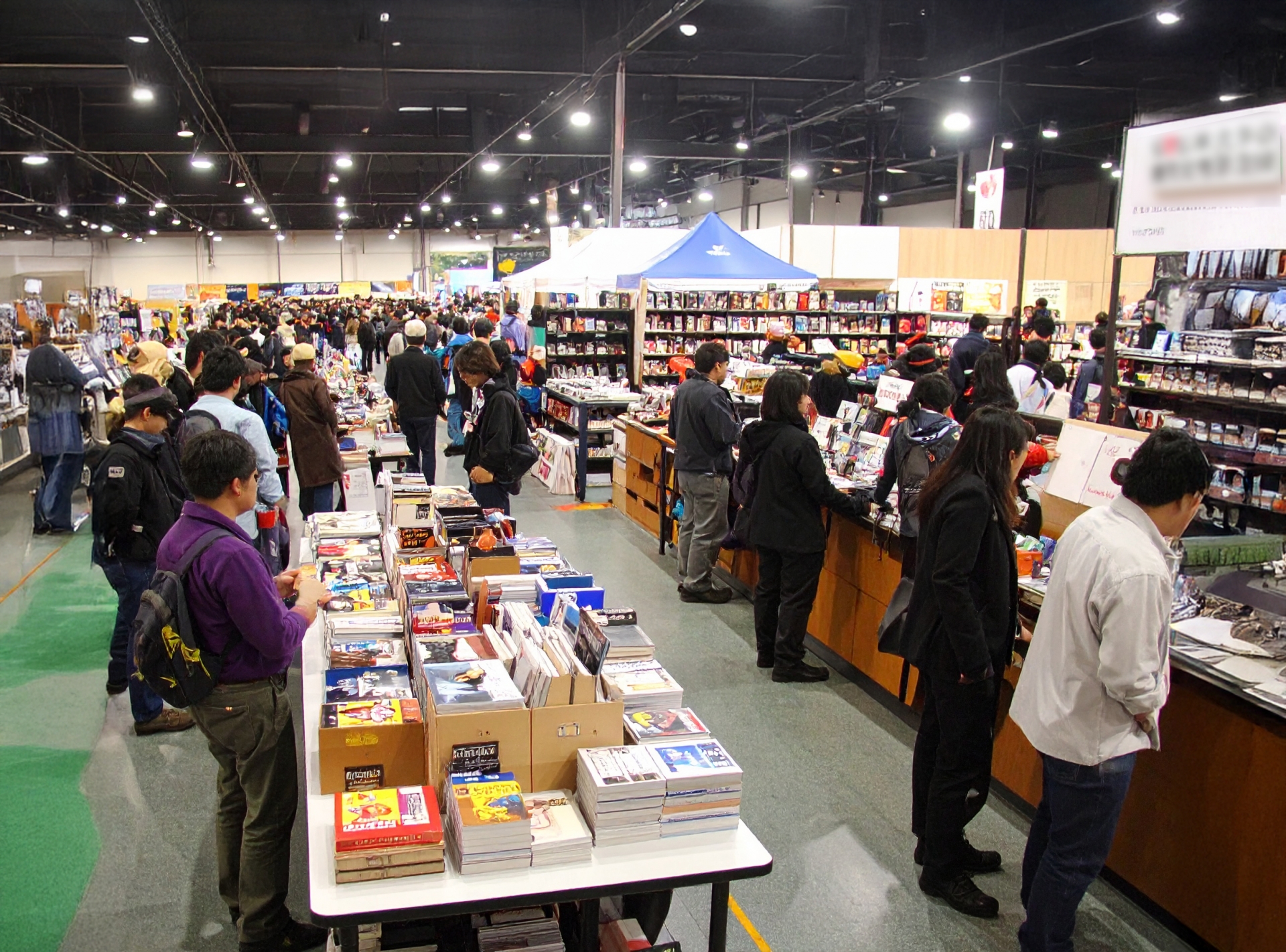

3. Comiket Created a Physical Marketplace for Passion
Japan’s doujin scene also became huge because it had real-world infrastructure. The most famous example is Comic Market, usually called Comiket.
Comiket is not just an event where people buy books. It is a massive meeting point for creators and fans. People line up not only to purchase works, but also to meet creators, support circles, discover niche genres, and share enthusiasm with others who love the same characters or themes.
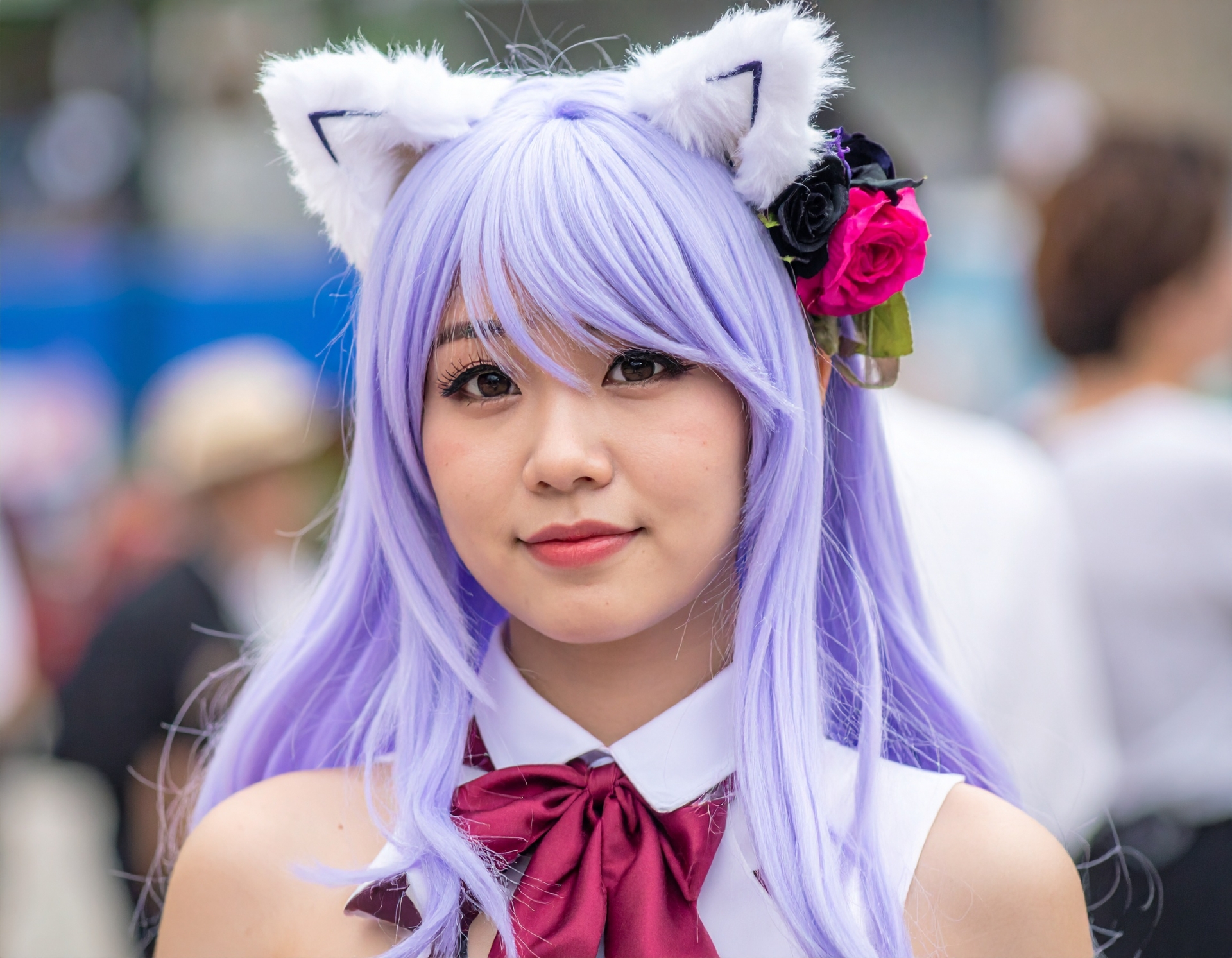
This direct connection between creator and buyer is essential. A doujin work is not only a product. It often feels like a trace of someone’s passion, obsession, interpretation, and personal love for a character or genre.
Specialty Stores Keep Doujin Culture Visible
Doujin culture is not limited to major events. Specialty shops and second-hand stores also play an important role by keeping books, goods, figures, and older fan works visible throughout the year.
In places like Osaka Nipponbashi, stores such as Mandarake help connect event culture with everyday shopping. For visitors, these shops can feel like a physical archive of otaku and doujin history.
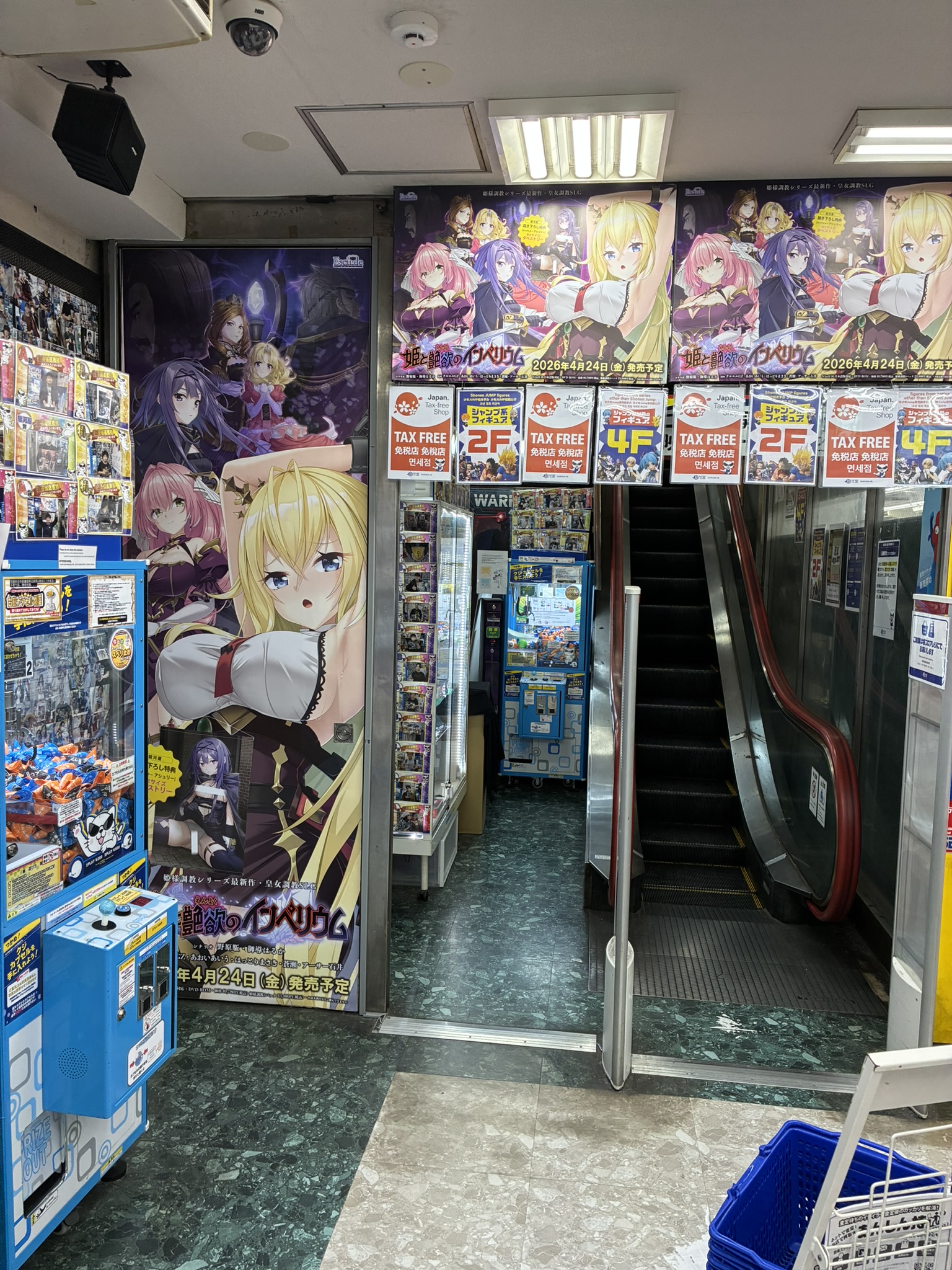
Photo by the author.
4. Adult Expression Is Part of the Story
It is impossible to explain Japan’s doujin culture honestly without mentioning adult-oriented works.
Doujin events and online stores have long provided a place where adult fantasies, erotic parody, niche preferences, and extreme or unusual situations could be published outside the limits of mainstream commercial media.
This does not mean all doujin culture is adult. Far from it. Doujin culture includes original manga, music, games, criticism, travel books, history essays, cute fan comics, and many completely non-adult works.
But adult works are still a major part of the market. Many fans visit doujin events or online stores partly because they can find works that commercial magazines, television anime, or general bookstores would never publish.
This freedom can be controversial. Original creators and publishers may tolerate fan activity in general, while feeling uncomfortable when their characters are used in adult situations. That tension has always existed inside doujin culture.
Still, adult expression helped make the doujin scene economically strong. It created demand, supported creators, and allowed small circles to earn money from extremely specific tastes that mainstream companies could not easily serve.
5. Doujin Culture Is Also an Indie Creator Culture
Another important point is that doujin culture is not only secondary creation. Original works are also central to the scene.
The roots of doujin activity in Japan go back to literary circles and self-published magazines. Even today, many doujin creators publish original manga, novels, visual novels, music albums, voice works, card games, and essays without depending on a major publisher.
For some creators, doujin activity is a hobby. For others, it becomes a path toward professional work. Many artists, manga creators, illustrators, and game creators developed their skills through self-publishing before becoming known more widely.
In this sense, doujin culture is one of Japan’s most important indie creative systems.
6. Why Did This Become So Big in Japan?
Several forces came together at the same time:
- A huge manga and anime market created many characters fans wanted to reinterpret.
- Fan communities gave people a reason to create and share works.
- Comiket and other events created physical spaces where anyone could sell their work.
- Copyright tolerance allowed fan works to grow in a gray but active zone.
- Adult-oriented demand gave part of the market strong economic energy.
- Self-publishing culture allowed unknown creators to reach readers directly.
This combination is rare. Many countries have fan art. Many countries have indie comics. Many countries have adult art. But Japan connected all of these into one large ecosystem.
Why Similar Scenes Did Not Grow as Much Overseas
Overseas fan communities certainly exist, and they are very active. But they often developed differently from Japan’s doujin scene.
One reason is copyright. In many countries, selling fan-made works based on existing characters is legally risky and culturally less tolerated. Fan fiction and fan art may exist online, but turning them into printed books and selling them at large events is often more difficult.
Another reason is the difference in character culture. Japanese manga and anime often create characters who feel emotionally layered, visually distinctive, and open to reinterpretation. Fans may want to see hidden feelings, alternative relationships, or private moments that the official story does not show.
In some Western entertainment, characters are more often treated as fixed icons, superheroes, franchises, or moral symbols. Of course, this is not always true, but Japanese character culture has been especially good at creating emotional attachment and imaginative gaps.
Doujin culture lives inside those gaps.
A Useful Way to Understand Doujin Culture
Doujin culture is not simply “unofficial manga.” It is a system where fans turn affection into creation, creation into community, and community into a market.
Sometimes that market is cute. Sometimes it is emotional. Sometimes it is artistic. Sometimes it is adult. Sometimes it is strange, niche, or difficult to explain from the outside.
But that mixture is exactly why Japan’s doujin scene became so large.
Where Can You Experience Doujin Culture?
If you visit Japan, doujin culture can be experienced through events, specialty stores, and otaku districts such as Akihabara and Osaka Nipponbashi. Stores such as Melonbooks, Toranoana-related services, Mandarake, Surugaya, and other specialty shops have helped connect fans with doujin works over the years.
Online, many fans also discover doujin works through digital and mail-order platforms. These platforms are not just shopping sites. They are part of the modern infrastructure of doujin culture.
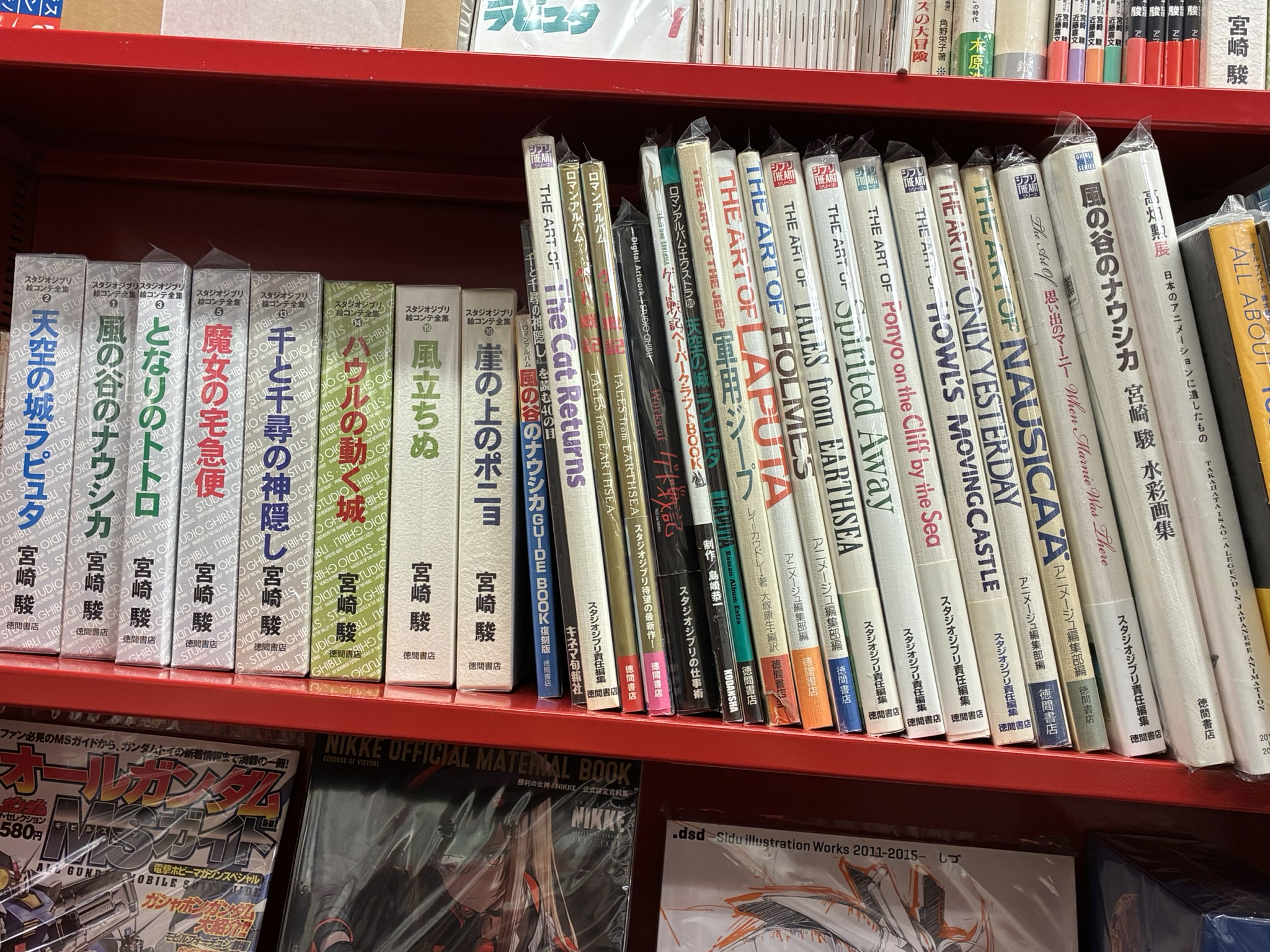
Photo by the author.
Practical Resources
Explore Doujin Culture Online
If you want to explore real examples of Japanese doujin culture, these platforms are useful starting points. They are not only shopping sites, but also part of the modern infrastructure that supports indie creators, fan works, visual novels, voice works, and otaku media.
Some links may be affiliate links. They help support Otaku Explorer at no additional cost to you.
Note: Some platforms may contain adult-oriented material. Availability, shipping, language support, and regional access can vary.
DLsite
A major digital platform for doujin works, indie games, voice works, comics, and creator-made content.
Getchu.com
A long-running Japanese store known for PC games, visual novels, anime-related products, and otaku media.
BOOTH
A creator-friendly marketplace where artists sell goods, music, books, digital items, and fan-related works directly.
Melonbooks
A major doujin and otaku goods retailer with both physical stores and online sales.
Note: Some doujin platforms may contain adult-oriented material. Availability, shipping, language support, and regional access can vary.
Japanese Note: 日本語補足
日本の同人文化は、単に「ファンが勝手に作った漫画」というだけでは説明できません。
漫画・アニメ・ゲーム市場の大きさ、魅力的なキャラクターの多さ、二次創作をある程度黙認してきた文化、コミケに代表される即売会、そして商業作品では扱いにくい表現を受け止める場が重なって、独自の巨大な文化圏になりました。
特に重要なのは、同人文化が「公式では描かれないもの」を見たいという欲求に応えてきたことです。それは、キャラクターの別の一面であったり、別の関係性であったり、より繊細な感情であったり、時には成人向けの欲望であったりします。
成人向け表現は同人文化のすべてではありません。しかし、日本の同人市場の発展を語るうえで、それを完全に外すこともできません。商業誌や一般流通では扱いにくい内容を、個人や小規模サークルが発表し、それを求めるファンが支える。この構造は、日本の同人文化を理解するうえで非常に重要です。
同時に、同人文化は一次創作やインディーズ文化の場でもあります。漫画、小説、音楽、評論、ゲーム、イラスト集など、商業出版に頼らない創作の場として、多くの才能を育ててきました。
つまり日本の同人文化は、ファン活動、創作活動、交流、商業性、グレーゾーン、成人向け表現、インディーズ精神が複雑に混ざった文化です。その複雑さこそが、日本の同人シーンをここまで大きくした理由だと思います。