
Osaka Cosplay Guide
Why Nipponbashi Street Festa Feels So Different From Comiket
A cultural comparison between Osaka’s outdoor cosplay festival and Tokyo’s giant doujin culture event.
Comiket and Nipponbashi Street Festa are both important to Japanese fan culture, but they do not feel the same at all.
Comiket is a massive doujin culture event where cosplay is one important part. Nipponbashi Street Festa is an outdoor cosplay festival where the city itself becomes the stage.
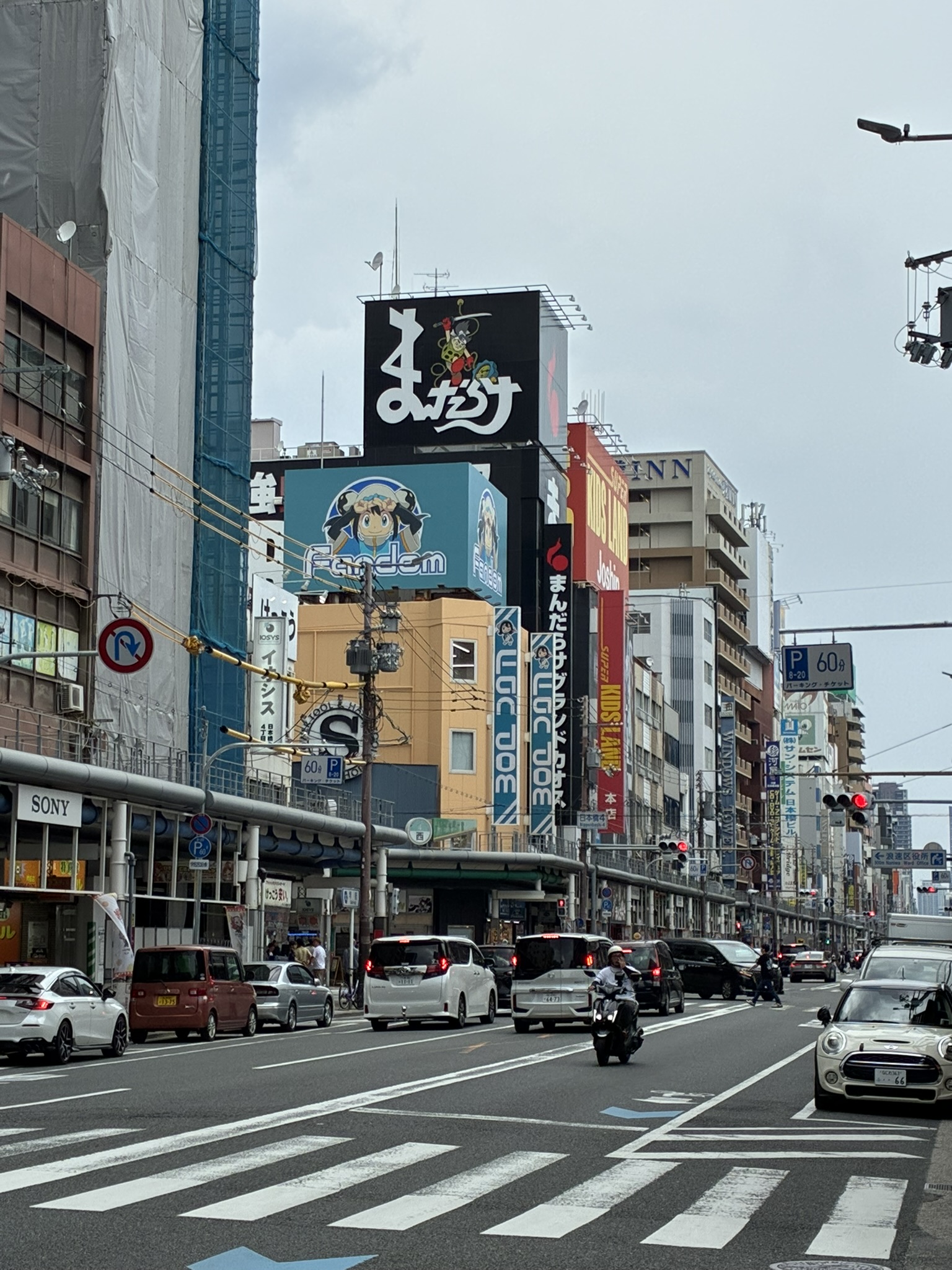
Photo by the author.
Comiket Is Mainly About Doujin Culture
Comiket is famous as one of the world’s largest events for doujinshi and fan-made works. Many people attend to buy books, meet creators, discover niche fandoms, and take part in a huge creator-driven marketplace.
Cosplay is very important at Comiket, but it exists alongside many other parts of the event. For many visitors, the main purpose is still doujin culture.
Because Comiket has such a long history, its cosplay culture also feels highly developed. Many cosplayers appear very polished, and the event itself feels like a large system that has already found its own rules, rhythm, and expectations.
Nipponbashi Street Festa Is About Cosplay in Public Space
Nipponbashi Street Festa feels different because it takes place in the streets of Osaka’s otaku district. Instead of being hidden inside a convention hall, cosplay appears in a real city environment.
This makes the event feel more open, more public, and more connected to the local atmosphere of Nipponbashi.
The result is not just a cosplay gathering. It feels like the entire district briefly becomes a festival space for anime, games, photography, and fan culture.
Even outside the event, Nipponbashi has a very physical street-level feeling. On a rainy Sunday, people move under covered shopping arcades, the sidewalks become wet and slightly slippery, and the district feels less like a staged tourist image and more like an everyday otaku town that locals actually use.
The Difference in Accessibility and Amateur Energy
One of the biggest differences is the feeling of accessibility.
Comiket has history, scale, and a very established cosplay culture. That makes it impressive, but it can also feel intense for casual visitors. The cosplay areas are large, the rules are clear, and many cosplayers already look highly experienced. For some visitors, this can feel exciting. For others, it may feel a little distant or difficult to enter casually.
Nipponbashi Street Festa feels different. Its charm is not only in the quality of the costumes, but in the festival atmosphere itself. Some cosplayers are very polished, but many participants also feel more casual, local, and approachable. The event has a stronger sense of “ordinary fans enjoying the street together.”
In that sense, Street Festa may feel less like a completed convention system and more like a city festival where cosplay happens naturally. The distance between cosplayers, photographers, visitors, and the surrounding town can feel much shorter than at a large convention venue.
This does not mean one event is better than the other. Comiket shows the depth and maturity of Japanese fan culture. Street Festa shows the openness, looseness, and public energy of cosplay as a street festival.
Tokyo and Osaka Also Feel Different
The difference is not only about event format. Tokyo and Osaka have different cultural atmospheres.
Comiket feels enormous, organized, intense, and deeply connected to creator culture. Nipponbashi Street Festa feels more open, street-level, chaotic, and close to Osaka’s entertainment energy.
This is one reason Street Festa can feel easier to understand visually. Even someone who does not know much about doujin culture can see the street, the costumes, the cameras, and the crowds, and immediately understand that something unusual is happening.

Photo by the author.
Why Street Festa Is Often Called an Outdoor Cosplay Event
When people describe Nipponbashi Street Festa as a major outdoor cosplay event, the word “outdoor” is important.
Comiket may have a larger overall scale and a very large number of cosplayers, but its identity is not limited to cosplay. Street Festa is different because cosplay is much closer to the center of the event’s public image.
This is why a safer way to describe it is not simply “Japan’s biggest cosplay event,” but “one of Japan’s largest and most distinctive outdoor cosplay events.”
Cosplay, Photography, and the Street
Street Festa also shows how closely cosplay is connected to photography. Cosplayers want a place to be seen, and photographers want subjects to shoot. The street becomes a temporary photo space.
This can be creative and exciting. It allows fans to share their work, meet others, and create images that spread online.
At the same time, photography requires manners and boundaries. Cosplay culture works best when the desire to photograph and the desire to be photographed are balanced with respect.
Comiket vs. Street Festa
| Point | Comiket | Nipponbashi Street Festa |
|---|---|---|
| Main Identity | Doujinshi and fan-made works | Outdoor cosplay and street festival |
| Location | Large convention venue | Urban streets in Osaka’s otaku district |
| Cosplay Role | Major element inside a larger event | Central visual identity of the event |
| Atmosphere | Huge, organized, intense, and mature | Open, public, festive, and approachable |
| Visitor Feeling | Impressive but sometimes less casual | Closer, more street-level, and easier to experience visually |
Video Comparison: Street Festa and Comiket
The difference between these two events becomes much clearer when seen visually. Comiket feels like a massive fan convention with cosplay areas, while Street Festa feels like cosplay spilling into the city itself.
Nipponbashi Street Festa: cosplay as a public street festival, where the atmosphere feels open, casual, and closely connected to Osaka’s otaku district.
Comiket: cosplay inside a much larger doujin culture event, with a mature and highly organized convention atmosphere.
Why This Matters for Understanding Japanese Cosplay
Comparing Comiket and Nipponbashi Street Festa helps explain why Japanese cosplay cannot be understood through only one event.
Cosplay can be part of doujin culture. It can be a photography culture. It can be a public festival. It can be a performance. It can also be a way for fans to become visible inside the world they love.
Comiket shows the depth and maturity of Japanese fan culture. Nipponbashi Street Festa shows how cosplay can become more public, local, and festival-like.
That is why Nipponbashi Street Festa feels so different. It shows cosplay not as a side activity, but as something that can temporarily transform an entire city street.