
Japanese Fashion Culture
Why “White Gyaru” Became Popular in Modern Japan
A guide to modern white gyaru culture, kawaii fashion, beauty trends, social changes, and how gyaru evolved in the Reiwa era.
Modern Japanese gyaru culture looks very different from the extreme “black gyaru” image that many international audiences remember from the 2000s.
Today, many younger gyaru prefer lighter makeup, pale skin, softer fashion, and a more socially adaptable lifestyle. This newer style is often called “white gyaru” or shiro gyaru in Japan.
However, it is important to understand that “white gyaru” and “black gyaru” are not racial categories. In Japanese fashion culture, these words refer mainly to beauty style, tanning, makeup, and visual presentation.
Not About Race
“White gyaru” does not mean white people, and “black gyaru” does not mean Black people. These are Japanese fashion terms based on skin tone styling, tanning, makeup, and aesthetic choices.
What Is White Gyaru?
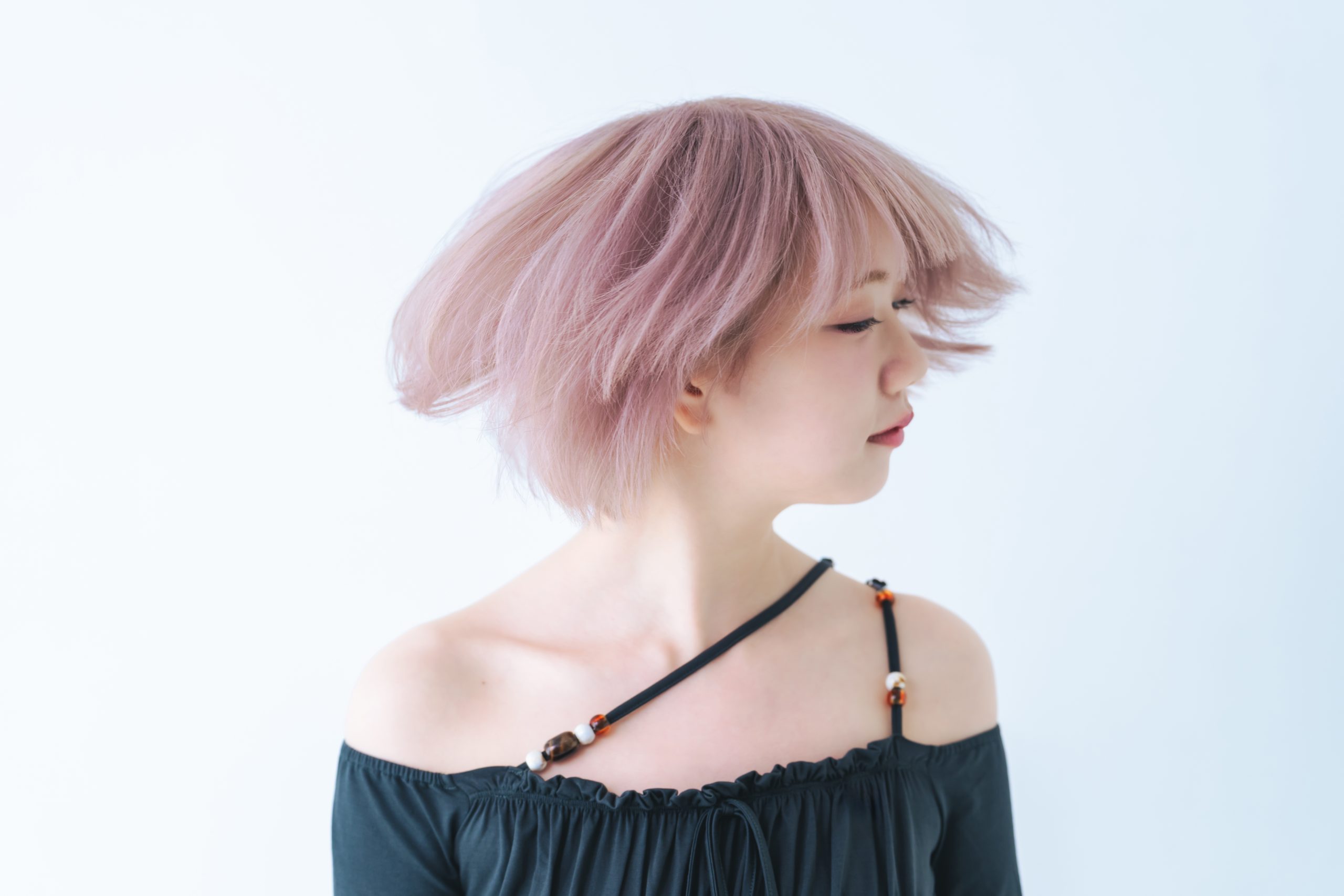
White gyaru refers to gyaru who avoid deep tanning and instead focus on pale skin, beauty care, fashionable makeup, bright hair, and a cleaner “kawaii” appearance.
The Opposite of Black Gyaru
Traditional black gyaru used dark tans, dramatic makeup, and rebellious fashion. White gyaru keeps the energetic personality while softening the visual style.
Still Proudly “Gyaru”
Unlike older generations, many modern gyaru openly call themselves gyaru without embarrassment. The label became more playful, positive, and mainstream.
What “White Gyaru” Really Means
The term “white gyaru” can sound confusing in English. It may appear as if it refers to ethnicity, but that is not how the term is generally used in Japanese youth fashion.
In this context, “white” mainly means not deeply tanned. It points to pale skin, bright makeup, beauty care, glossy hair, contact lenses, nails, and fashionable clothing influenced by current Japanese trends.
In other words, white gyaru is better understood as a modern fashion and beauty style: young women who care strongly about looking cute, stylish, glamorous, and socially confident, while still keeping a gyaru identity.
Why Gyaru Changed So Much
One major reason is that Japanese society itself changed.
In the past, gyaru culture was strongly connected to rebellion. Dark tans, heavy makeup, and flashy fashion were ways to reject conservative beauty standards and strict social expectations.
But modern young people grew up in a different environment. Social media, influencer culture, beauty apps, and online trends created a world where appearance became more optimized, curated, and socially visible.
Instead of fighting society directly, many younger gyaru learned how to move smoothly within it. Looking cute, fashionable, emotionally easygoing, and socially adaptable became a kind of modern intelligence.
The “Smart” Way of Living
Many modern white gyaru seem less interested in shocking adults or standing out aggressively from society.
Instead, they often prioritize comfort, flexibility, friendship, and emotional freedom. Avoiding unnecessary conflict is sometimes seen as more mature and “cool” than open rebellion.
This creates a very different atmosphere from older gyaru culture. The energy remains confident and casual, but the strategy changed.
Some people describe this as a more “smart” or socially adaptive version of gyaru culture — one that understands trends, social pressure, beauty standards, and online visibility very well.
Still Keeping the Gyaru Spirit
Even with softer fashion and lighter makeup, many traditional gyaru traits still remain.
Straightforward Personality
Modern gyaru are often still known for speaking casually, honestly, and directly instead of acting overly formal.
Loyalty to Friends
Friend groups and emotional closeness remain an important part of gyaru identity, just like in older gyaru culture.
Confidence and Positivity
Many gyaru styles still emphasize confidence, self-expression, humor, and emotional openness.
Fashion Awareness
Gyaru culture continues to react quickly to trends, beauty standards, cosmetics, hairstyles, and social media aesthetics.
The Rise of “Reiwa White Gyaru”
One famous example of modern white gyaru culture is Yuchami, who is often described in Japanese media as a “Reiwa white gyaru.”
Unlike older gyaru styles that emphasized rebellion and social shock, modern white gyaru often appear cheerful, approachable, socially flexible, and highly aware of current beauty trends.
Bright hair, glamorous eye makeup, long nails, fashionable coordination, and casual speech patterns still remain important. However, the overall appearance is usually softer, cleaner, and more commercially friendly than older gyaru culture.
This makes modern white gyaru feel less like an outsider subculture and more like a mainstream youth aesthetic.
How White Gyaru Influenced Modern Female Celebrities
Today, many young Japanese female celebrities share at least some visual or behavioral similarities with white gyaru culture.
This influence can often be seen in female idols, actresses, influencers, gravure models, TikTok creators, and modern girl groups.
Even groups that are not officially considered “gyaru” sometimes use beauty styles connected to white gyaru aesthetics: pale skin, soft glamorous makeup, dyed hair, contact lenses, fashionable nails, trendy coordination, and emotionally open communication styles.
This influence can be seen across many different entertainment scenes, including idol groups, Sakamichi groups, FRUITS ZIPPER, influencer culture, and some K-pop influenced Japanese fashion trends.
In that sense, modern white gyaru aesthetics became less of a niche subculture and more of a widespread template for how “cute but confident” young women appear in Japanese media today.
Why Pale Skin Became Popular Again
White gyaru became especially visible after the huge popularity of celebrities like Ayumi Hamasaki in the 2000s.
Later, Korean beauty trends, Instagram aesthetics, influencer culture, and “transparent skin” beauty ideals also pushed Japanese fashion toward lighter makeup and brighter skin tones.
Today, many gyaru combine high-tone hair, glamorous eye makeup, nails, contact lenses, and fashionable clothing with pale skin and softer styling.
Kawaii, Beautiful, and Easy to Like
Modern white gyaru culture often values being cute, beautiful, friendly, and socially easy to approach.
This does not necessarily mean losing individuality. Rather, many modern gyaru seem to understand that being liked by friends, adults, followers, and society can make life easier.
In this sense, the style can be seen as practical as well as fashionable. It is not only about looking good, but also about choosing a way of life that reduces unnecessary friction.
For some young women, being clever, flexible, fashionable, and emotionally relaxed becomes its own version of being “cool.”
The Influence of Social Media
Modern gyaru culture is deeply connected to TikTok, Instagram, YouTube, and livestream culture.
Unlike older gyaru who mainly gathered physically in places like Shibuya 109, modern white gyaru culture spreads digitally through selfies, beauty videos, makeup tutorials, couple content, and lifestyle posts.
This also rewards styles that look attractive online without appearing too extreme in everyday life.
Why Modern Gyaru Feels More Accepted
Older gyaru culture was often viewed negatively by mainstream society. It was associated with delinquency, rebellion, nightlife, and social disruption.
Modern white gyaru, however, often feels easier for society to accept. The style appears cleaner, more commercially friendly, and closer to mainstream beauty trends.
As a result, modern gyaru can appear in television, fashion magazines, influencer culture, cosmetics marketing, and mainstream entertainment more easily than before.
Did Black Gyaru Completely Disappear?
Not entirely.
Some smaller subcultures still continue older black gyaru styles, especially in nostalgic fashion communities and certain nightlife scenes.
However, compared to the peak years of ganguro, yamanba, and extreme gyaru culture, modern Japanese fashion clearly moved toward softer beauty standards and more socially adaptable aesthetics.
Again, “black gyaru” here refers to the older Japanese fashion style centered on deep tanning and dramatic makeup. It should not be confused with race or ethnicity.
Final Thoughts
White gyaru represents more than a fashion trend. It reflects how Japanese youth culture adapted to social media, beauty culture, economic pressure, and changing ideas about what it means to look “cool.”
The rebellion did not completely disappear. Instead, it evolved into something more flexible, emotionally intelligent, socially aware, and optimized for modern life.
Most importantly, “white gyaru” should be understood as a Japanese fashion term, not a racial idea. It refers to a modern beauty style built around pale skin, trendy makeup, kawaii fashion, confidence, and a relaxed but proud gyaru identity.