
Otaku Culture Guide
Why Maid Costumes Feel Normal In Akihabara And Nipponbashi
Why a maid outfit can look surprising overseas, but strangely ordinary on certain streets in Japan’s otaku districts.
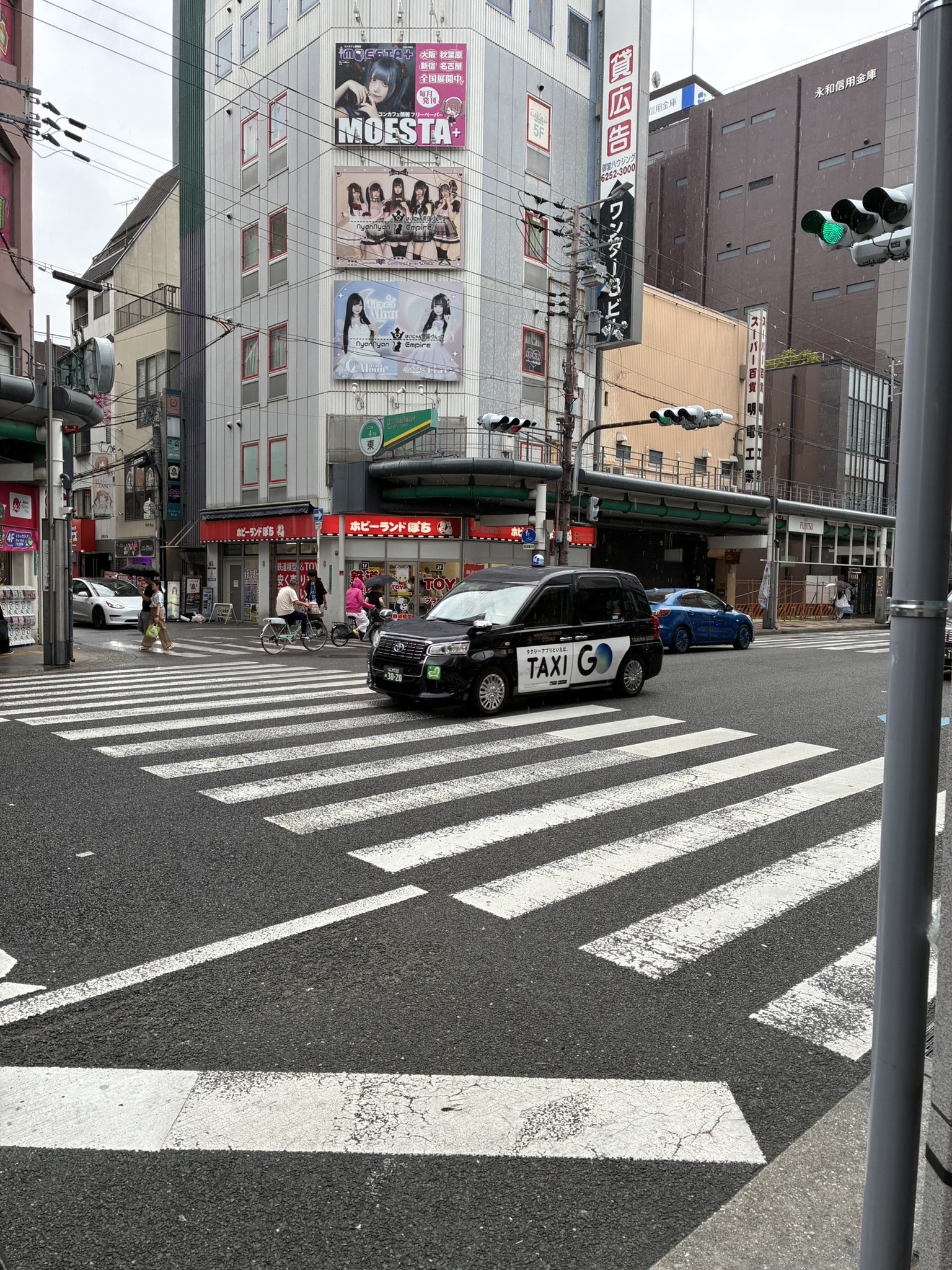
If you walk through Akihabara in Tokyo or Nipponbashi in Osaka, you may see women in maid-style costumes standing near shop entrances, crossings, or busy sidewalks.
For many international visitors, the surprising part is not only the costume itself. It is the fact that most people around them do not seem surprised at all.
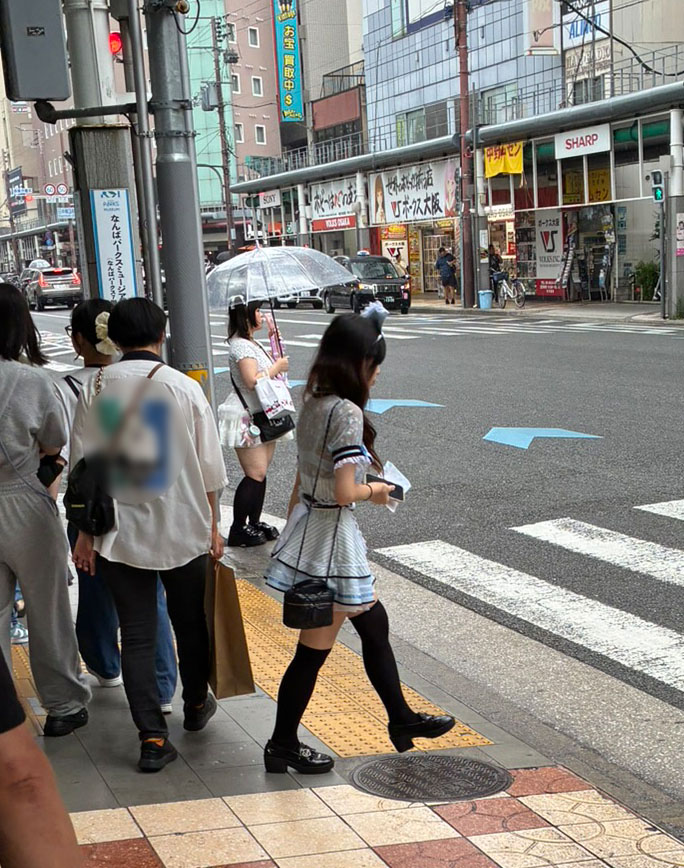
The strange part is how normal it looks
In many countries, someone walking down the street in a maid costume would immediately attract attention. People might stare, take photos, or assume that a cosplay event is happening nearby.
But in places like Akihabara and Nipponbashi, the mood is different. A maid outfit on the street does not automatically mean there is a special event. It may simply mean that a nearby maid cafe, concept cafe, or themed bar is open for business.
That is what makes the scene interesting. The costume is unusual, but the local reaction is calm. Office workers, tourists, shoppers, delivery drivers, and anime fans all pass through the same streets. The maid outfit becomes one more part of the local visual noise.
This does not happen everywhere in Japan
It is important not to misunderstand this as something common across Japan. You will not normally see maid cafe staff walking around in ordinary residential neighborhoods, school areas, or quiet local shopping streets.
This kind of scene belongs mostly to specific entertainment districts, especially areas that already have anime shops, game centers, figure stores, concept cafes, and a long history of otaku-related businesses.
In other words, the maid costume feels normal only because the street itself has already become a stage for otaku culture.
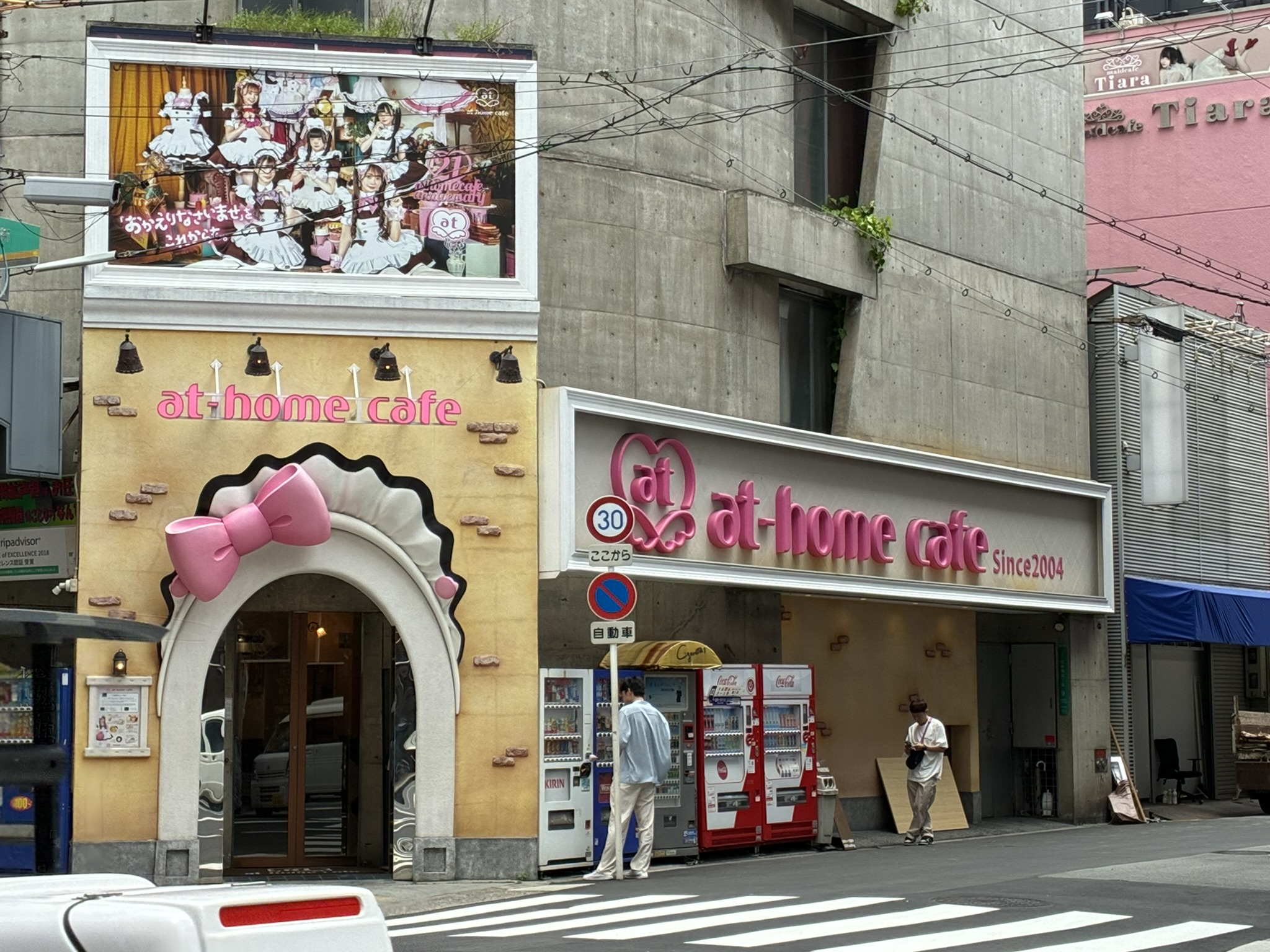
Most of them are working, not just cosplaying
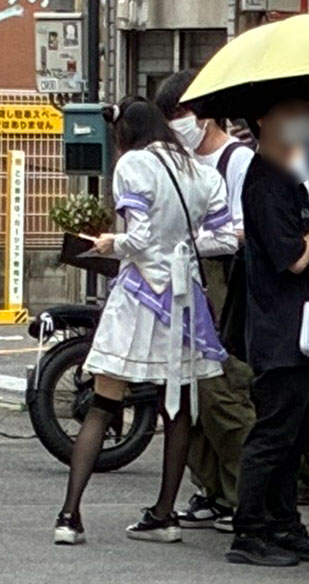
Visitors sometimes assume that every maid outfit on the street is cosplay. In many cases, however, these women are staff members of maid cafes, concept cafes, or related entertainment venues.
Their job outside the shop is often to invite people in. They may hand out flyers, explain the cafe system, or call out to people walking by. This is especially common on weekends and holidays, when Otaku Road in Nipponbashi becomes busier than usual.
During cosplay events such as Nipponbashi Street Festa, ordinary visitors may also wear maid outfits or other costumes. But on a normal day, the maid-style clothing you see around the area is often connected to work.
Why passersby do not react much
The reason is not that Japanese people see maid costumes everywhere. They do not.
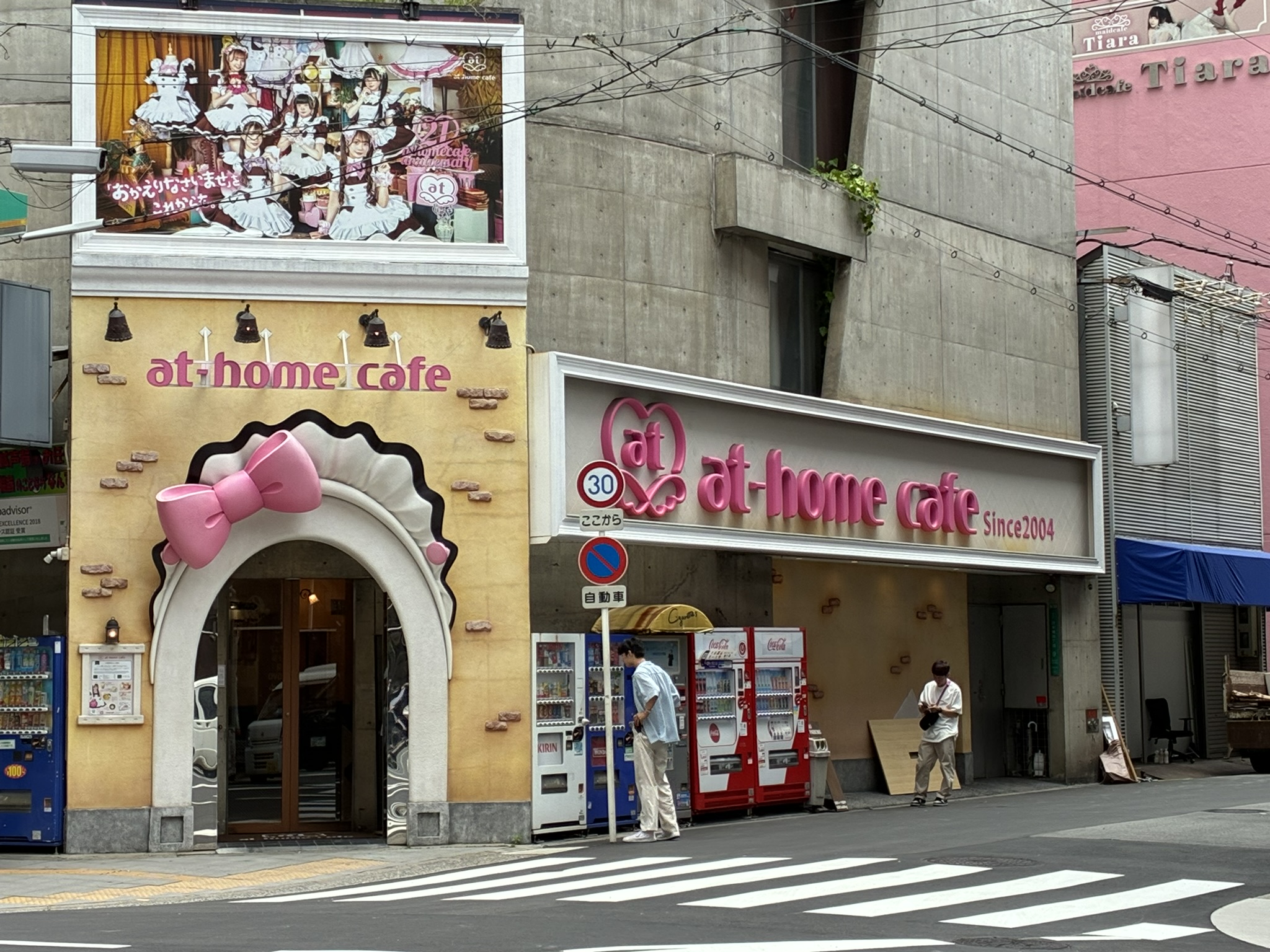
The reason is more local and practical. People who visit Akihabara or Nipponbashi already expect to see unusual signs, anime characters, game advertisements, cosplay-related shops, and themed cafes. The neighborhood teaches people what to expect.
After a while, a maid cafe worker standing near a crossing no longer feels shocking. She becomes part of the same landscape as crane games, capsule toy machines, VTuber posters, anime shop signs, and figure displays.
How visitors should behave
Seeing someone in a costume does not mean they are free to photograph or question. This is especially important in Japan, where personal space and quiet boundaries matter a lot.
If you want to take a photo of a maid cafe staff member, it is better to ask first. Some may be friendly and open to interaction. Others may not want to be photographed at all. Both reactions are normal.
It is also better to avoid personal questions. A short conversation about the cafe, the system, prices, or location is usually fine. Asking about private life, real names, schedules, or relationships is not.
And if a staff member seems to be on a break, eating, shopping, using a phone, or simply moving between places, the best thing to do is leave her alone.
A simple rule
Treat maid cafe staff as workers first, not as public characters. Enjoy the atmosphere, but do not forget that the person wearing the costume is still a person doing a job.
Maid cafes are part of a larger “concept cafe” world
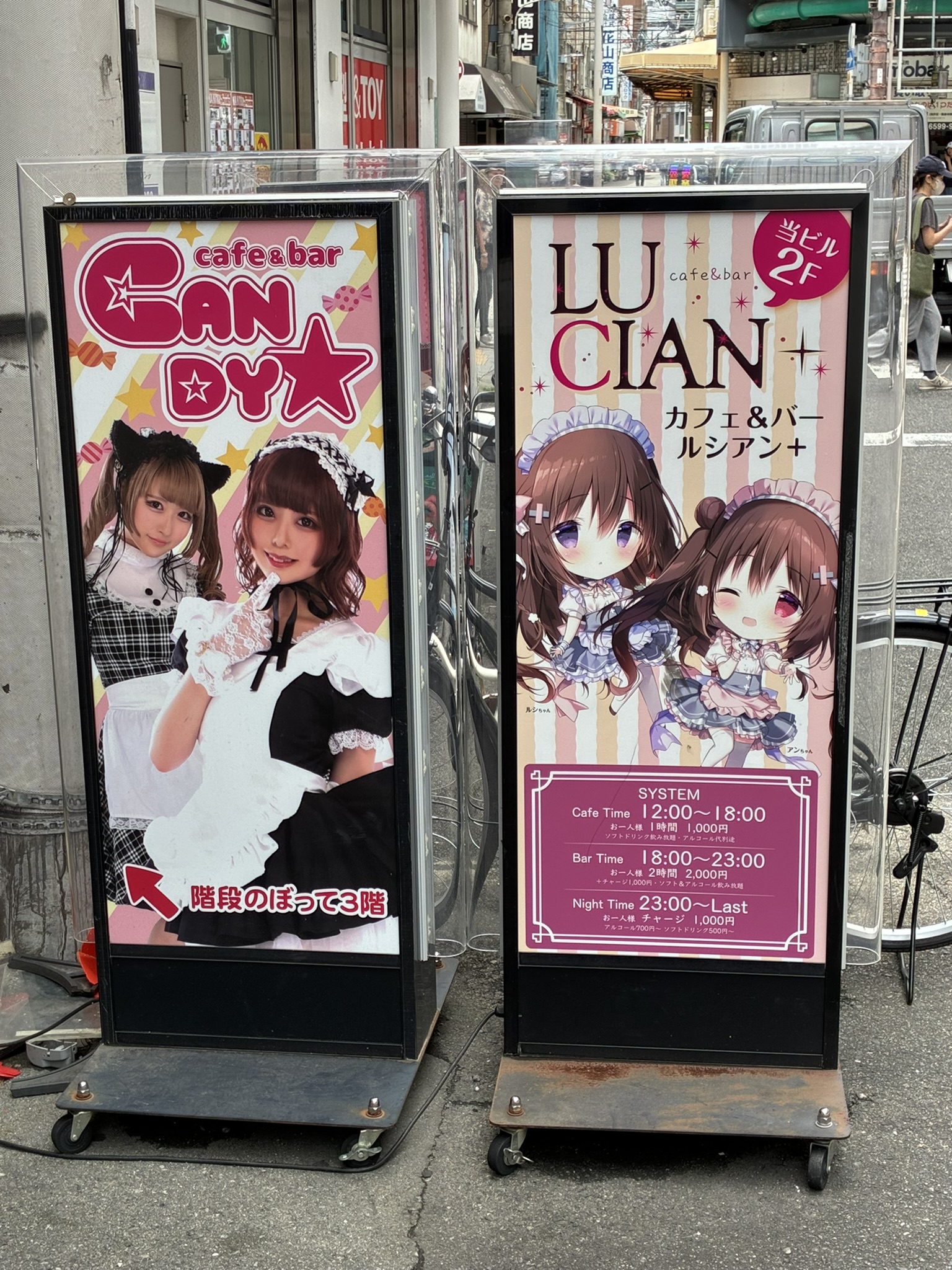
Maid cafes are the most famous example, but they are only one part of Japan’s wider concept cafe culture. In Nipponbashi, you may also see signs for cafes and bars with anime-style themes, idol-like staff concepts, animal ears, fantasy settings, or gothic interiors.
Some places feel playful and tourist-friendly. Others are more local, more niche, or more difficult to understand without Japanese. This variety is one reason the area feels different from a normal shopping district.
Why it feels different from ordinary cosplay
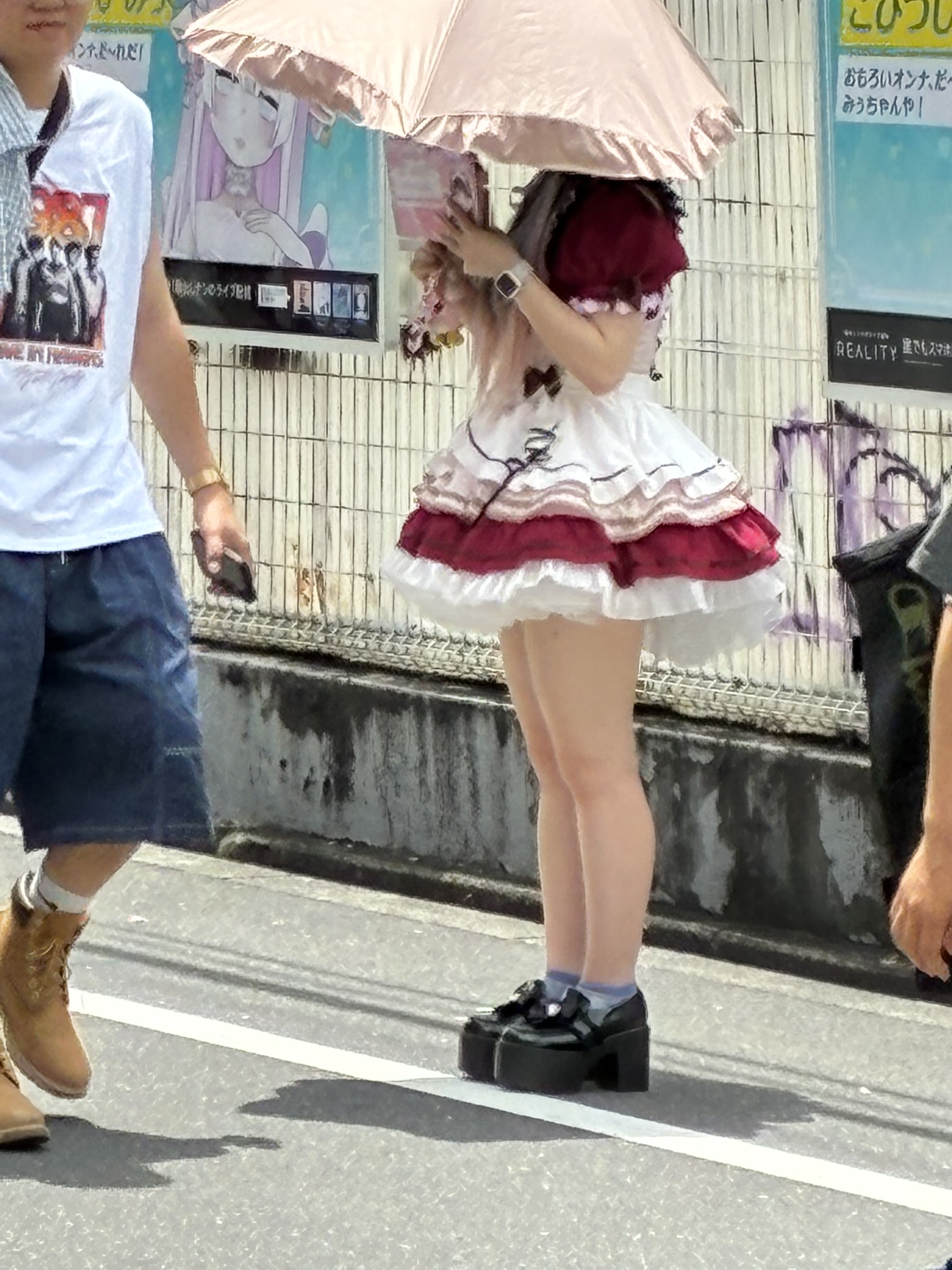
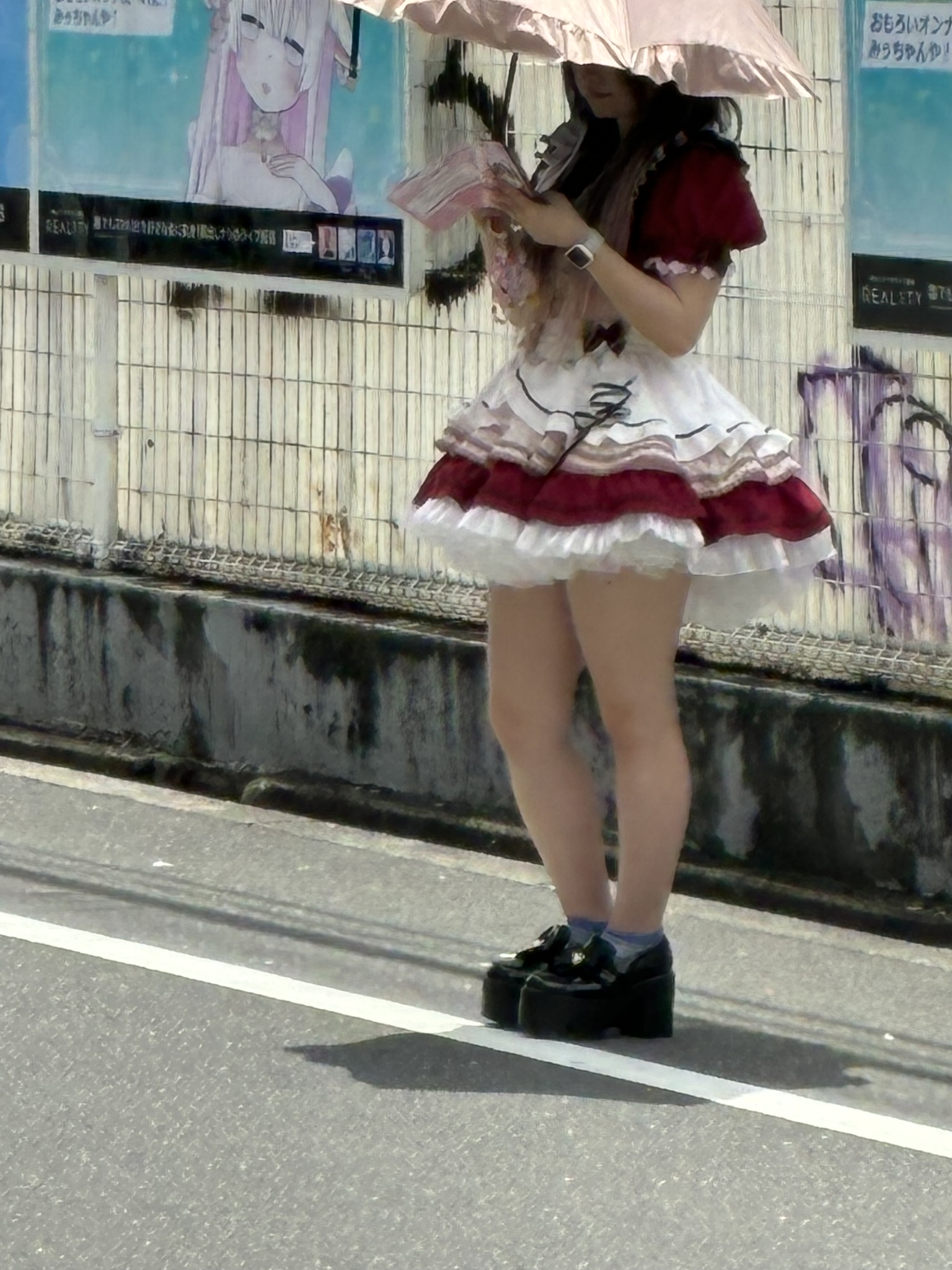
Cosplay usually suggests a temporary event: a convention, a photo session, a festival, or a gathering of fans. Maid cafe clothing in Akihabara and Nipponbashi is different because it is connected to daily business.
The outfit is theatrical, but the setting is ordinary. The staff member may be standing next to a traffic light, a convenience store, a bicycle, or a vending machine. That mixture is what makes the scene feel so Japanese to many visitors.
It is not fantasy separated from real life. It is fantasy placed directly inside the shopping street.
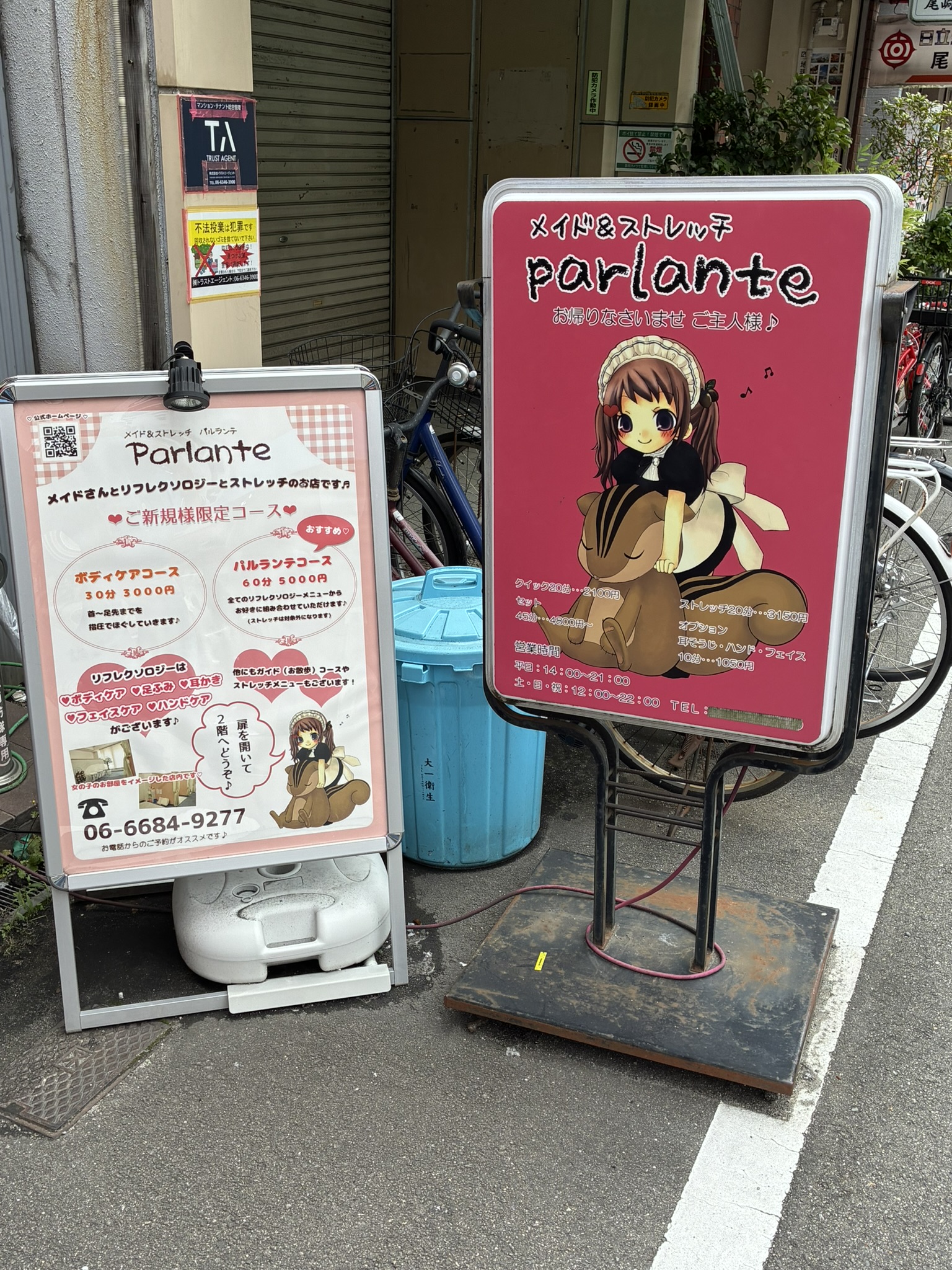
My impression from walking there
What stayed with me was not simply that I saw maid outfits on the street. It was how naturally they sat inside the neighborhood.
A person in a maid costume could be standing near a crossing, holding an umbrella, checking something in her hand, or walking among ordinary pedestrians. Around her, people continue doing normal things: waiting for the light, carrying shopping bags, looking at phones, avoiding rain.
That quiet lack of surprise says a lot about Akihabara and Nipponbashi. These districts have absorbed otaku culture so deeply that some scenes which look unusual from outside Japan can feel almost ordinary within the area.
So, is it worth talking to them?
If you are curious, yes. A short, polite conversation can be part of the experience, especially if the staff member is actively inviting people to the cafe.
But the best way to support a cafe you are interested in is simple: visit the shop. These businesses are not street performances. They are small local venues trying to attract customers in a competitive area.
A respectful visitor does not treat the street as a free photo studio. A respectful visitor understands the difference between enjoying the atmosphere and crossing someone’s personal boundary.
Now that you know why the costume exists — not every venue wearing it is the same thing. Maid cafés and concafes look identical from the street. Here’s how to tell them apart before you walk in.